

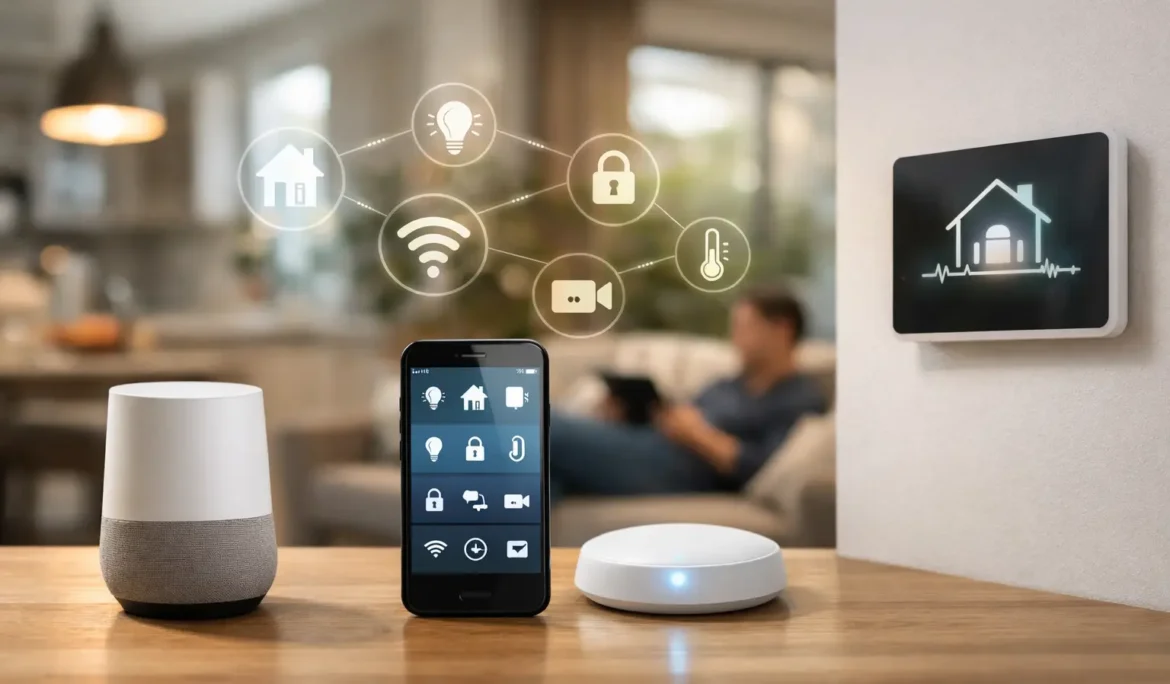
The best smart homes do not feel technical. They feel calm. Lights respond the way you expect, music follows you from room to room, shades adjust with the time of day, and your theater, TV, climate, and security systems work together without a pile of apps and remotes. That is what people are really looking for when they ask about the benefits of smart home automation.
For many homeowners, the appeal starts with convenience. But convenience is only part of the story. A well-designed automation system can improve comfort, support security, reduce friction in everyday routines, and make entertainment much more enjoyable. The key is not adding more gadgets. It is creating a home that works as one coordinated system.
What the benefits of smart home automation really mean
Smart home automation is often misunderstood as a collection of voice assistants, smart bulbs, and DIY devices. In practice, the biggest value comes from integration. When lighting, shades, climate, audio, video, and control are planned together, your home becomes easier to live in.
That difference matters. A house filled with disconnected products can be frustrating. One app controls the thermostat, another handles cameras, and a third manages music. Notifications pile up, settings conflict, and family members stop using the features altogether. A professionally designed automation system solves that by simplifying control and reducing decision fatigue.
1. Everyday convenience that actually saves time
The first benefit most homeowners notice is how much less effort daily living requires. Instead of adjusting lights room by room, lowering shades manually, or switching between remotes to start a movie, you tap one button or let the house respond automatically.
Morning routines are a good example. Lights can come on gradually, shades can rise at the right time, and your preferred music or news can begin in the kitchen. At night, a single command can turn off common-area lights, lock in your preferred lighting scenes, and prepare the house for bedtime. These are small moments, but they add up quickly.
The value is even greater in larger homes, where managing multiple spaces can become tedious. Automation reduces that constant background task list.
2. Better comfort in every room
Comfort is not just about temperature. It is about how your home feels throughout the day. Lighting intensity, shade position, room climate, and audio all affect that experience.
With automation, those elements can adjust together. Shades can lower in rooms with strong afternoon sun to reduce glare and help maintain a more comfortable environment. Lighting scenes can shift from bright and functional during the day to warmer and softer in the evening. Climate settings can support how each room is used, rather than treating the entire house the same way.
This matters most when the system is tailored to your routines. A generic setup may offer some convenience, but a customized one feels natural because it reflects how your household really lives.
3. A stronger sense of security
One of the most practical benefits of smart home automation is improved awareness and control. You can check whether lights were left on, confirm that shades are in the right position, or manage key functions when you are away from home.
Automation can also make a property feel occupied when the house is empty. Scheduled lighting and shade patterns create a more lived-in appearance, which can be useful during travel. In everyday life, it also helps when arriving home after dark. Pathway lighting can activate automatically, making entry easier and more comfortable.
That said, security should never rely on gimmicks. Reliability matters more than novelty. If a system is difficult to use or inconsistent, homeowners tend to ignore it. The right approach is straightforward control that works every time and supports peace of mind rather than adding another tech headache.
4. Energy savings without constant micromanagement
Energy efficiency gets a lot of attention, and for good reason. Smart lighting, climate control, and automated shades can help reduce unnecessary usage. But the real advantage is that savings happen in the background.
Lights can turn off when they are no longer needed. Shades can help manage solar heat gain during the hottest part of the day. Climate settings can be adjusted based on time, occupancy patterns, or daily routines. Instead of relying on someone in the house to remember every adjustment, the system handles it automatically.
Of course, results depend on the home and how the system is configured. Large windows, irregular schedules, and room usage patterns all affect outcomes. Automation is not a magic switch for lower utility bills, but it can support more efficient performance in a practical and consistent way.
5. Entertainment becomes simpler and more enjoyable
For homeowners investing in media spaces, family rooms, or whole-house audio, automation changes the experience dramatically. One touch can power on the display, select the right source, adjust lighting, lower shades, and set audio to the proper level.
That ease of use is often overlooked until people live with it. Great entertainment systems should feel inviting, not complicated. If family members or guests need a lesson every time they want to watch a movie or listen to music, the system is not doing its job.
This is especially valuable in homes where entertainment extends beyond one room. A unified control platform can make it easy to move music from the kitchen to the patio, switch from casual TV viewing to a cinematic movie night, or create the right atmosphere for hosting. Convenience and performance do not have to compete when the system is designed properly.
6. The home looks cleaner and feels less cluttered
A smart home is not just about what technology can do. It is also about how technology fits into the home visually. One of the quieter benefits of automation is reducing visible clutter.
Instead of multiple wall controls, remotes, and standalone devices scattered throughout the house, integrated systems streamline how things are managed. Clean keypads, thoughtfully placed controls, and hidden equipment can preserve the design of the room while improving function.
For design-conscious homeowners, architects, and interior designers, this matters a great deal. Technology should support the space, not interrupt it. When automation is part of the planning process, the result is a home that feels polished rather than over-equipped.
7. Family-wide usability improves
The best technology is not the system with the longest feature list. It is the system everyone in the house can use confidently.
That is one of the clearest benefits of smart home automation in a family setting. Parents, children, and guests should all be able to operate core functions without memorizing instructions. A well-built interface gives each person a simple path to what they need, whether that is dimming lights, starting music, or setting a movie scene.
This point is often underestimated. Homes become frustrating when only one person understands how everything works. Good automation removes that dependency and makes the entire household more comfortable using the space.
8. It supports better routines, not just better gadgets
Many homeowners start with a device in mind, but the bigger opportunity is improving routines. Automation can support how your home transitions between work, school, relaxing, entertaining, and sleep.
For example, a home office can shift into focus mode with brighter lighting and reduced glare during the day, then transition back to normal living at the end of the workday. Common areas can change mood as evening begins. Outdoor spaces can become more usable with scheduled lighting and audio settings that suit gatherings or quiet nights at home.
This is where thoughtful design makes a major difference. The goal is not to automate everything just because you can. It is to identify the repeated actions and friction points that matter most, then simplify them.
9. A custom system can grow with the home
Another advantage of smart home automation is flexibility. Homeowners often begin with lighting and entertainment, then expand into additional spaces or features as their needs evolve. Renovations, new media rooms, updated outdoor areas, or changes in family routines can all influence what the system should do next.
That is why planning matters from the beginning. A system built on a strong foundation is easier to adapt than one assembled from mismatched devices over time. There is a big difference between adding to a strategy and patching around limitations.
For homeowners in New Jersey and New York, where many properties include a mix of original architecture, modern additions, and specialized living spaces, this flexibility can be especially valuable. Technology should complement the home you have now while leaving room for how you may use it later.
10. Professional integration reduces frustration
There is a reason many smart homes disappoint their owners. The issue is rarely the idea of automation itself. The issue is poor planning, weak network performance, inconsistent programming, and too many disconnected products.
A professionally integrated system addresses those pain points before they show up in daily life. It accounts for how the home is built, how the family uses each room, and how all the technology should work together. It also helps prevent the common problem of buying good products that were never designed to operate as one cohesive experience.
Companies like Cine Acoustic focus on this larger picture because long-term satisfaction depends on more than equipment selection. It depends on design, installation quality, customization, and support after the system is in place.
Are smart homes worth it for every homeowner?
It depends on expectations. If you only want to control a lamp from your phone, a basic device may be enough. But if your goals include reliable whole-home control, better entertainment, lighting scenes, motorized shades, and an easier day-to-day experience, integration becomes much more valuable.
The smartest investment is not always the one with the most features. It is the one that fits your lifestyle, works consistently, and stays easy to use over time. A good automation system should make your home feel more comfortable and more intuitive, not more complicated.
When done right, smart home automation fades into the background. You stop thinking about the technology and start enjoying the way your home responds to you.