

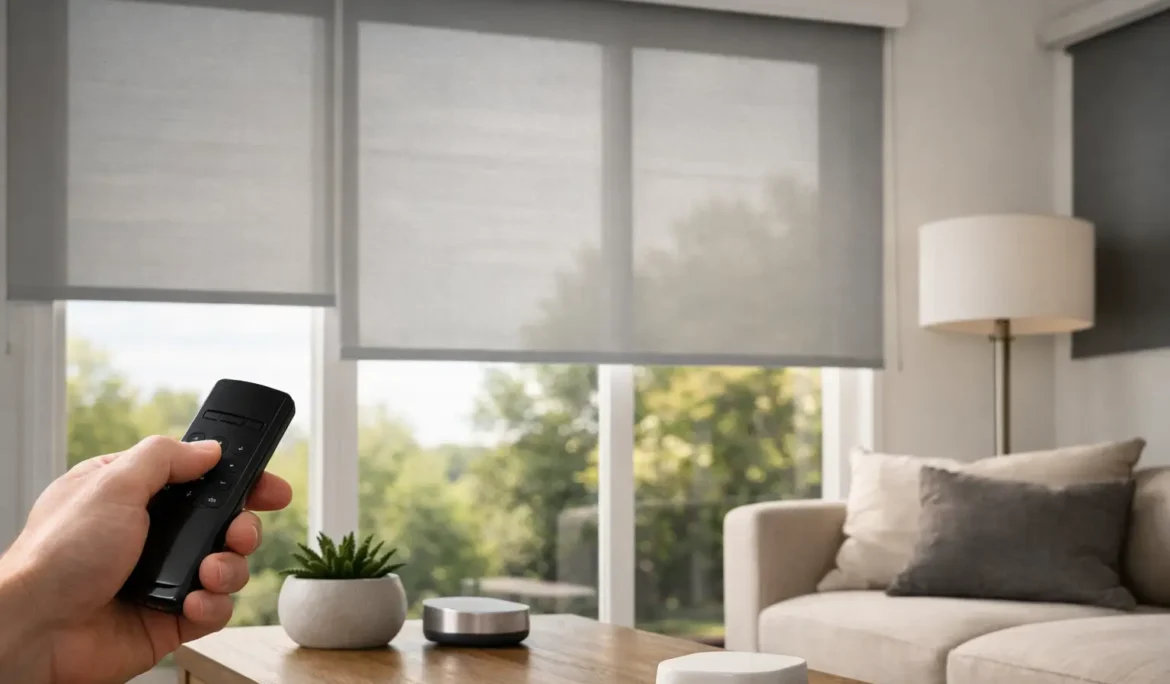
The right shade can make a room feel polished in the daytime and comfortable at night. The wrong one can leave you with glare on the TV, gaps in privacy, or controls nobody wants to use. If you are figuring out how to choose motorized shades, the best place to start is not the fabric book. It is the way you actually live in the space.
Motorized shades are part design choice, part performance upgrade, and part automation decision. They affect natural light, privacy, energy efficiency, and how smoothly a room works from morning to evening. That is why the best results usually come from looking at the whole picture, not picking a shade style in isolation.
How to choose motorized shades for the way you live
A media room, a kitchen, and a primary bedroom do not need the same kind of shade. That sounds obvious, but it is where many projects go off track. Homeowners often start with a look they like, then discover later that the shade does not control glare well enough or blocks more light than they wanted.
In living spaces, the main question is usually balance. You may want daytime privacy without losing all your natural light. In bedrooms, the priority often shifts toward darkness and convenience, especially if you want shades to open gradually in the morning or close automatically at night. In a home theater or media room, glare control tends to matter more than anything else.
This is also where automation becomes more valuable. A motorized shade is not just about avoiding cords or using a wall switch instead of a pull chain. It is about getting the room to respond the same way every time, whether that means reducing afternoon sun, protecting furnishings, or setting the right ambiance for entertaining.
Start with light control, not just appearance
Most people care about style, and they should. Shades are a visible part of the room. But when you are deciding how to choose motorized shades, performance should lead and appearance should follow closely behind.
Think about the type of light in the room. Is the issue harsh western sun in the late afternoon, or is it a bright but softer daylight exposure? Do you need to preserve a view, reduce UV exposure, or create near-darkness? Different fabrics and openness levels will change the result.
Sheer and solar screen materials can soften daylight and preserve some visibility to the outside, which works well in spaces where you want brightness without the glare. Dim-out and blackout materials are better for bedrooms and entertainment spaces where light spill becomes a problem. Between those ends of the spectrum, there are many options that filter light instead of fully blocking it.
The trade-off is simple. The more you preserve the view, the more light you typically allow in. The more room-darkening performance you want, the more enclosed the room will feel when the shades are down. There is no universal best choice. There is only the best fit for that room and that routine.
Privacy needs change by room and time of day
Privacy during the day is different from privacy after sunset. A fabric that looks perfect at noon may reveal more than expected at night when interior lights are on. That matters in front-facing rooms, bathrooms, and bedrooms in particular.
This is one reason layered solutions are so useful in some homes. A light-filtering shade may handle most daytime needs beautifully, but a second layer or a more opaque fabric may be the better answer when evening privacy is critical. The right recommendation depends on window placement, sightlines, and how the room is used.
Consider the shade style and hardware early
Motorized shades come in several styles, and each creates a different visual effect. Roller shades are popular because they are clean, versatile, and easy to integrate into both modern and traditional interiors. They also tend to work well in larger openings and can disappear neatly when raised.
Roman shades bring a softer, more decorative look. They can be an excellent fit in formal spaces, bedrooms, or rooms where fabric detail matters as much as light control. Cellular shades can support energy performance and softness, while other specialty options may fit unusually shaped windows or specific design goals.
It also helps to think about what you want to see when the shade is fully raised. Some homeowners prefer an exposed roll for a minimal look. Others want a fascia or pocket for a more finished appearance. If you are building or renovating, planning early can make a big difference because recessed pockets and hidden wiring create a cleaner final result.
Battery versus wired depends on the project
One common question is whether battery-powered or hardwired shades are better. The honest answer is that it depends on the home and the timing of the project.
Battery-powered shades can be a great fit in existing homes where opening walls is not desirable. They allow motorization in spaces that might otherwise seem difficult to upgrade. Hardwired shades are often preferred in new construction or major renovations because they support a more permanent, low-maintenance installation with hidden power.
Neither option is automatically right for every room. What matters is choosing a power approach that fits the scope of the project and the homeowner’s expectations for convenience and appearance.
Think about control before installation day
A beautiful shade system loses value quickly if it is awkward to operate. This is where professional planning matters more than many homeowners expect.
Some people want a handheld remote. Others prefer elegant wall keypads. Many want shades integrated into a larger smart home system so they can control lighting, climate, and window treatments together. Scheduled scenes are especially useful because they let the home respond automatically to time of day, occupancy patterns, or entertainment use.
If the room already includes lighting control, whole-home automation, or a dedicated media system, it makes sense to consider how the shades will fit into that ecosystem. A well-designed setup feels simple because it has been coordinated in advance. You press one button and the room behaves the way it should.
That kind of simplicity is not accidental. It comes from matching the shade system to the control platform, the electrical plan, and the household’s actual habits.
Measure the room, not just the window
Window size matters, but so do ceiling height, trim depth, furniture placement, and the room’s focal points. A large wall of glass may call for a different solution than a set of standard bedroom windows. The width of the opening can affect fabric behavior, visible seams, and how many shade panels are needed.
Mounting details matter too. Inside mount shades can look tailored and architectural, but they require enough depth and can allow light gaps at the sides. Outside mount shades can improve coverage and room-darkening performance, though they create a different visual profile. Neither is better in every case.
This is also where professional site evaluation earns its keep. On paper, two windows may seem identical. In reality, one may have limited recess depth, nearby millwork, or sightline issues that change the recommendation.
Don’t treat shades as a standalone purchase
Motorized shades work best when they are considered part of the home’s larger environment. If you have ever watched sunlight wash out a television image, heated up a room by midafternoon, or had a beautifully designed space feel unfinished because the window treatment never looked quite right, you have already seen why coordination matters.
Shades interact with lighting, architecture, entertainment systems, and daily routines. In a media room, they support image quality and comfort. In a great room, they help manage brightness while preserving openness. In bedrooms, they can support better sleep and a more consistent start to the day.
For homeowners who want technology to feel effortless, this is the real goal. Not more gadgets. Better control over how the home feels and functions.
How to choose motorized shades with confidence
If you are still comparing options, focus on five decisions: what level of light control you need, how much privacy matters, which style fits the room, what power method suits the project, and how you want the shades to be controlled. Once those are clear, the product choices become much easier to narrow down.
This is also one of those categories where small details have a big impact. Fabric color changes how light reads in the room. Mounting details affect both appearance and performance. Control options shape whether the system feels intuitive or forgotten. The right shade is not just attractive on a sample card. It works well every day.
That is why many homeowners prefer a guided process instead of trying to piece it together from product specs alone. A thoughtful recommendation takes the room, the lifestyle, and the larger system into account. Cine Acoustic approaches window shade design the same way it approaches smart home technology – with an emphasis on performance, ease of use, and a result that feels right the first time.
When motorized shades are chosen well, they do more than cover a window. They make the room calmer, more comfortable, and easier to enjoy from the moment the sun comes up to the moment the lights go down.