

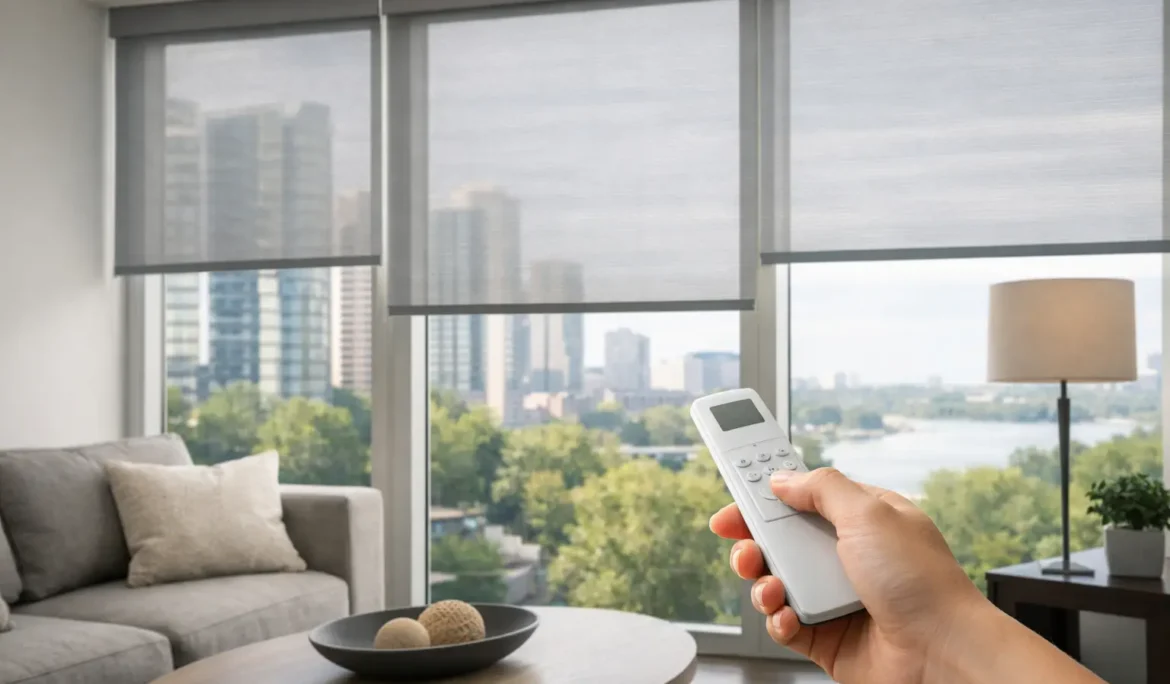
The question usually comes up at the same moment: a homeowner is choosing finishes for a new build, updating a media room, or standing in a living space with a wall of windows and realizing that beautiful natural light can also be a daily annoyance. Are motorized shades worth it? In many homes, yes – but not because they feel flashy. They are worth it when they solve real problems around comfort, privacy, light control, and ease of use.
That distinction matters. Motorized shades are not just a gadget upgrade. When they are thoughtfully designed and integrated into the home, they become part of how the space functions every day.
Are motorized shades worth it for everyday living?
For many homeowners, the biggest surprise is how quickly motorized shades go from luxury to routine. A shade you can lower with a button, a wall keypad, or an automation schedule sounds convenient. A shade that adjusts itself throughout the day so you do not have to think about glare on the TV, harsh afternoon sun, or privacy at dusk is genuinely useful.
That is where the value tends to show up first. In a bedroom, they can help create a better sleep environment by darkening the room consistently. In a family room or kitchen, they can reduce glare without forcing you to stop what you are doing and walk from window to window. In a home office, they can soften daylight on screens and make the space more comfortable for video calls. In a media room, they are often one of the easiest ways to improve the viewing experience.
The more windows you have, the more obvious the benefit becomes. Large expanses of glass look impressive, but they can also create daily friction. Manual shades across multiple windows are easy to ignore until the sun shifts and the room becomes too bright or too exposed. Motorization removes that friction.
What makes them different from manual shades?
The short answer is consistency. Manual shades depend on someone remembering to adjust them. Motorized shades can respond the same way every time, whether that means opening in the morning, lowering for privacy in the evening, or closing before a movie starts.
They also solve a practical design problem. Some windows are simply difficult to reach. Tall foyer windows, walls of glass, stairway windows, and oversized openings are not ideal places for cords or hand-operated treatments. Motorization makes those windows usable instead of decorative only.
There is also a cleaner look. Without dangling cords or unevenly positioned shades, the room feels more finished. For design-conscious homeowners, that matters just as much as the technology itself. The best systems do not call attention to themselves. They support the room visually and function quietly in the background.
Where motorized shades tend to feel most worthwhile
Not every room needs them, and that is part of making a smart decision. The strongest case for motorized shades usually shows up in spaces where light and privacy change throughout the day.
Living rooms with large windows are a common example. Morning light may feel welcome, while late-afternoon glare can make the room uncomfortable. Automating the shades keeps the space usable without constant adjustment.
Bedrooms are another strong fit. Scheduled shade control can support a morning routine and help create a darker room at night. This is especially useful in primary suites with multiple windows or in homes where privacy is a concern.
Home theaters, media rooms, and multipurpose entertainment spaces are often where homeowners immediately appreciate the difference. If you are investing in a quality display, projector, surround sound, and thoughtful room design, light control is not a side detail. It is part of the experience.
Open-concept homes also benefit. One wall of windows can affect the comfort of the entire main level. Coordinated shades can help manage sunlight without making the room feel closed off.
Are motorized shades worth it in a smart home?
This is where the answer often shifts from yes to absolutely, provided the system is designed properly. On their own, motorized shades are convenient. Integrated into a broader smart home system, they become part of a more intuitive living experience.
For example, a single scene can lower shades, dim lights, and prepare a room for movie night. A bedtime scene can close first-floor shades and adjust lighting at the same time. Morning routines can bring in natural light gradually rather than all at once. The technology starts to feel less like a collection of devices and more like a home that responds to how you live.
That said, integration only adds value when it is reliable and easy to use. Homeowners rarely want another app to manage or a setup that works only some of the time. A professionally designed system matters because the goal is not complexity. The goal is simplicity.
The benefits people notice most
Convenience gets the attention first, but it is rarely the only reason homeowners end up liking motorized shades. Light control is often the bigger long-term benefit. Rooms become more comfortable. Screens are easier to see. Furnishings are better protected from strong direct sun.
Privacy is another major factor. In many homes, the most exposed time of day is early evening, when lights turn on indoors and windows become more transparent from outside. Automated shades can respond on schedule, which means privacy happens when it should, not just when someone remembers.
There is also a safety and cleanliness benefit in avoiding cords, particularly in homes with children or pets. And from a visual standpoint, the result is usually more polished. Shades move together, stop at the same positions, and maintain a cleaner architectural feel.
When the answer might be no
Motorized shades are not automatically the right choice for every homeowner or every window. If a room is rarely used, has only one easily reached window, or does not have significant privacy or glare concerns, manual shades may be perfectly adequate.
They can also be disappointing when chosen for the wrong reason. If the appeal is only novelty, the value tends to fade. If the goal is better daily comfort and simpler control, satisfaction tends to be much higher.
The other factor is planning. Poorly selected fabrics, awkward control methods, or shades that are not matched to the room can make the system feel less useful than it should. This is one reason a consultative approach matters. The right solution depends on window size, room purpose, lighting conditions, and how the rest of the home is controlled.
Design matters as much as the technology
Homeowners sometimes think of motorized shades as a technology decision, but it is just as much a design decision. The shade style, fabric openness, color, and level of light filtering all affect how the room feels.
A bright living room may benefit from filtered natural light rather than blackout shading. A media room may need more aggressive light control. A bedroom may call for layered treatments or a darker shade solution. Getting this right is what separates a system that feels custom from one that feels added on.
This is especially true in homes where the shades need to work alongside lighting control, smart home scenes, and the overall interior design. The most successful projects balance performance and appearance from the start.
Are motorized shades worth it long term?
If you are looking at long-term value, the strongest argument is that they improve how the home works every single day. Not every upgrade does that. Some features impress once and then fade into the background. Motorized shades tend to do the opposite. The longer they are used, the more normal and necessary they feel.
They also support the broader expectation many homeowners now have for modern living spaces: systems should be easy to use, look clean, and work together. That is particularly true in homes with integrated lighting, entertainment, and smart control. In that environment, manual window coverings can start to feel like the one part of the room still asking for extra effort.
For homeowners who want that experience without piecing together products on their own, working with an experienced integration team makes a difference. Companies like Cine Acoustic approach motorized shades as part of a complete lifestyle system, not a standalone accessory, and that typically leads to better performance and fewer compromises.
So, are motorized shades worth it? They are when they make the room more comfortable, the home easier to live in, and the technology simpler rather than more complicated. If that is what you want from your space, they usually earn their place quickly.