

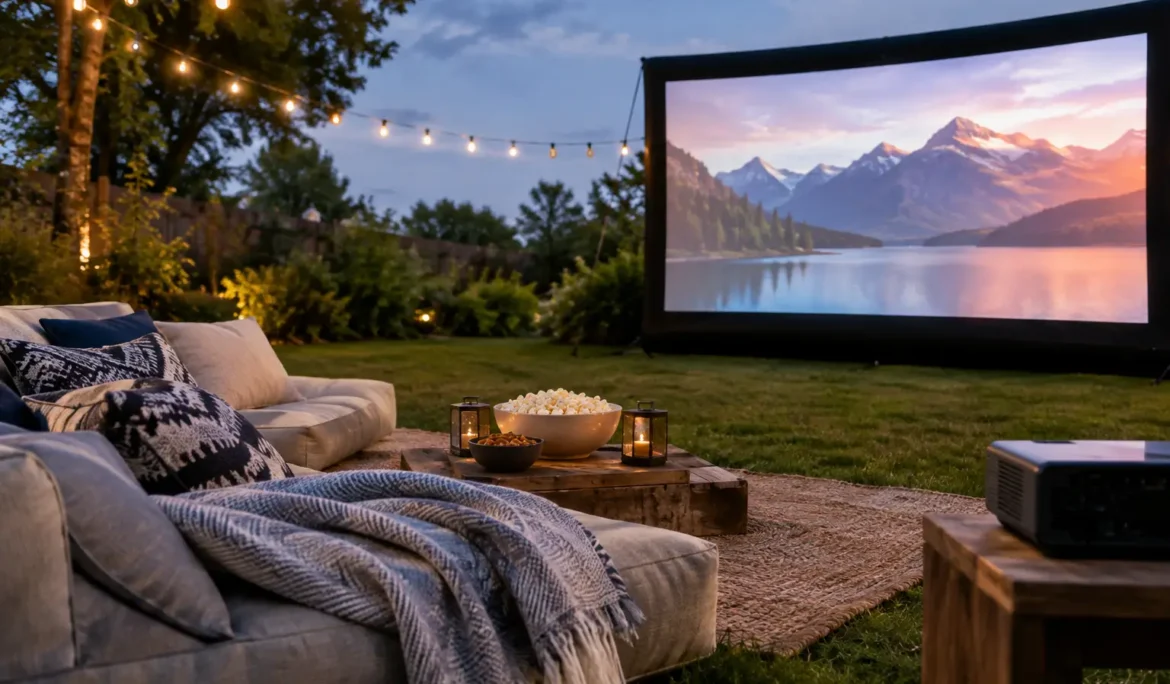
A backyard movie night can feel effortless to guests while requiring thoughtful planning behind the scenes. The difference between a memorable screening and a frustrating one usually comes down to more than choosing a projector. If you are wondering how to create outdoor movie nights that people genuinely look forward to, start by treating the space as an entertainment environment, not simply a screen placed on the patio.
The best outdoor systems bring together picture quality, sound, seating, lighting, Wi-Fi, and simple control. When those pieces are designed to work together, your family can move from dinner on the deck to a movie under the stars without juggling remotes, reconnecting devices, or asking everyone to be quiet so they can hear the dialogue.
Start With the Way You Will Use the Space
Before selecting equipment, decide what an ideal movie night looks like for your household. A casual family setup for a few summer weekends has different needs than a dedicated poolside viewing area used for sports, concerts, and movies throughout the season.
Consider where people naturally gather and where the screen will be visible after sunset. A covered patio may offer protection from light rain and dew, while an open lawn can accommodate a larger audience. Also think about viewing angles. Guests should not have to twist around furniture or stare through glare from landscape lighting to see the action.
This planning stage is also the right time to decide whether the outdoor entertainment area should serve other purposes. Many homeowners want a space that supports quiet evenings with music, weekend games, and larger gatherings in addition to movie nights. A professionally designed system can accommodate each use without leaving equipment permanently exposed or cluttering the landscape.
Choose a Screen and Display for Real Outdoor Conditions
A projected image creates the classic cinema experience, especially on a large screen. However, projectors perform best after dark and need careful consideration outdoors. Ambient light from porch fixtures, neighboring homes, pool lighting, and even a bright moon can soften contrast and make the picture appear washed out.
For occasional use, a quality portable projector and screen may be appropriate. Store them indoors, set them up when conditions are right, and plan screenings after dusk. This route can be flexible, but it involves setup, alignment, cables, and storage each time.
For a more permanent entertainment space, an outdoor-rated television is often the practical choice. These displays are built to handle changing temperatures, moisture, and brighter environments better than standard indoor televisions. They can deliver a clear image earlier in the evening, which is valuable for families with younger children or guests who prefer not to start a movie late.
Screen size should fit the seating distance and the layout of the patio or yard. Bigger is not automatically better if viewers are close to the screen or need to turn their heads to follow the action. A system designer can help determine a comfortable size and mounting location while keeping the display integrated with the architecture of the home.
Do Not Use an Indoor TV Outside
An indoor television may seem like a quick solution, particularly under a covered porch, but shelter does not eliminate outdoor risks. Humidity, heat, insects, wind-driven moisture, and rapid temperature shifts can shorten its life and create safety concerns. Outdoor-rated equipment is designed for the environment where it will operate.
Make Sound the Priority, Not an Afterthought
A large image with weak audio never feels cinematic. Dialogue gets lost under air conditioners, passing traffic, pool pumps, and the ordinary sounds of an active backyard. Turning up a small portable speaker may add volume, but it can also create harsh sound and disturb neighbors.
The goal is clear, even coverage at a comfortable level. Weather-resistant landscape speakers, patio speakers, or a discreet soundbar can deliver fuller audio without dominating the design of the space. The best option depends on the size of the area, nearby seating zones, and how close neighboring homes are.
Speaker placement matters as much as speaker quality. When sound comes from the screen area, voices and on-screen action feel connected. In larger yards, distributed speakers can maintain clarity for more guests without requiring excessive volume from one location.
For homeowners who enjoy outdoor entertaining, a properly planned audio system also makes the space more versatile. The same speakers can provide background music during dinner, energize a game-day gathering, and create a more immersive experience for movie night.
Control Light Without Losing the Atmosphere
Outdoor movie nights need darkness, but they should never leave guests navigating the yard in the dark. Thoughtful lighting creates a safe path from the house to the seating area while preserving the screen’s contrast.
Keep bright fixtures behind the audience or directed away from the display. Dimmable landscape lighting, low-level step lights, and carefully aimed path lights offer guidance without flooding the viewing area. Decorative lighting can still set a warm tone, but it should be placed so it does not reflect off the screen or directly enter viewers’ eyes.
Lighting control is especially useful here. With one button press, you can dim the patio lights, turn on pathway lighting, lower motorized shades if applicable, and start the movie. At the end of the evening, the system can restore the lighting level for a safe, comfortable exit.
Build Seating for Comfort and Flexibility
People will remember whether they could relax for two hours. Arrange primary seating to face the screen directly, and leave enough space for guests to move without crossing the viewing path. Outdoor sofas and lounge chairs create a polished look, while movable chairs, blankets, and cushions make it easy to expand for a larger crowd.
For family movie nights, it helps to create two zones: a main viewing area for adults and older children, plus a more relaxed space for younger guests who may want to sit on the lawn. Side tables for drinks and snacks reduce trips back into the house and keep the setting functional.
Remember the conditions after sunset. Even warm New Jersey days can become cool in the evening. A nearby basket of throws, weather-appropriate cushions, and covered storage for accessories can make the space more inviting without turning setup into a project.
Plan the Technology Behind the Movie
The content source should be as dependable as the display and speakers. Streaming is convenient, but backyard Wi-Fi can be inconsistent, especially when several guests are using their phones at the same time. Buffering during a key scene is an easy way to interrupt the experience.
A strong outdoor Wi-Fi design extends reliable coverage where it is needed rather than hoping an indoor router reaches the patio. Depending on the property, wired connections, dedicated access points, and properly located network equipment may be the better answer. This is particularly helpful for streaming high-quality video, watching live sports, or operating smart controls outdoors.
Keep controls simple. A single remote, touchscreen, or wall keypad should be able to turn on the display, select a source, set the audio level, and adjust lighting. Complex technology only feels premium when it disappears into the experience.
Cine Acoustic designs outdoor entertainment systems around that principle: high-performance technology should be dependable and easy for every member of the household to enjoy.
Protect Equipment and Prepare for Weather
Outdoor technology needs more than a weather-resistant label. Equipment placement, ventilation, cable routing, electrical protection, and storage all affect long-term reliability. Components should be kept out of standing water, protected from direct exposure where possible, and installed with clean, concealed wiring.
It is also wise to plan for the realities of seasonal use. Covers, enclosures, and appropriate shutdown procedures help protect equipment when temperatures change or the outdoor area is not in use. The right approach depends on whether the system is permanent, partially portable, covered, or fully exposed.
Create an Easy Pre-Movie Routine
A few minutes of preparation can prevent most interruptions. Test the source, sound, and lighting before guests arrive. Check that the screen is clean, charge any portable remotes, and confirm that seating has a clear view.
For larger gatherings, start the film a little later than the invitation time so guests can settle in. Keep the volume focused on the audience, not the entire neighborhood, and choose content that matches the group. A well-planned setup gives you the freedom to be part of the evening instead of troubleshooting it.
A great outdoor movie night is not defined by the most equipment. It is defined by a picture everyone can see, sound everyone can understand, and a setting that makes people want to stay for one more scene under the stars.