

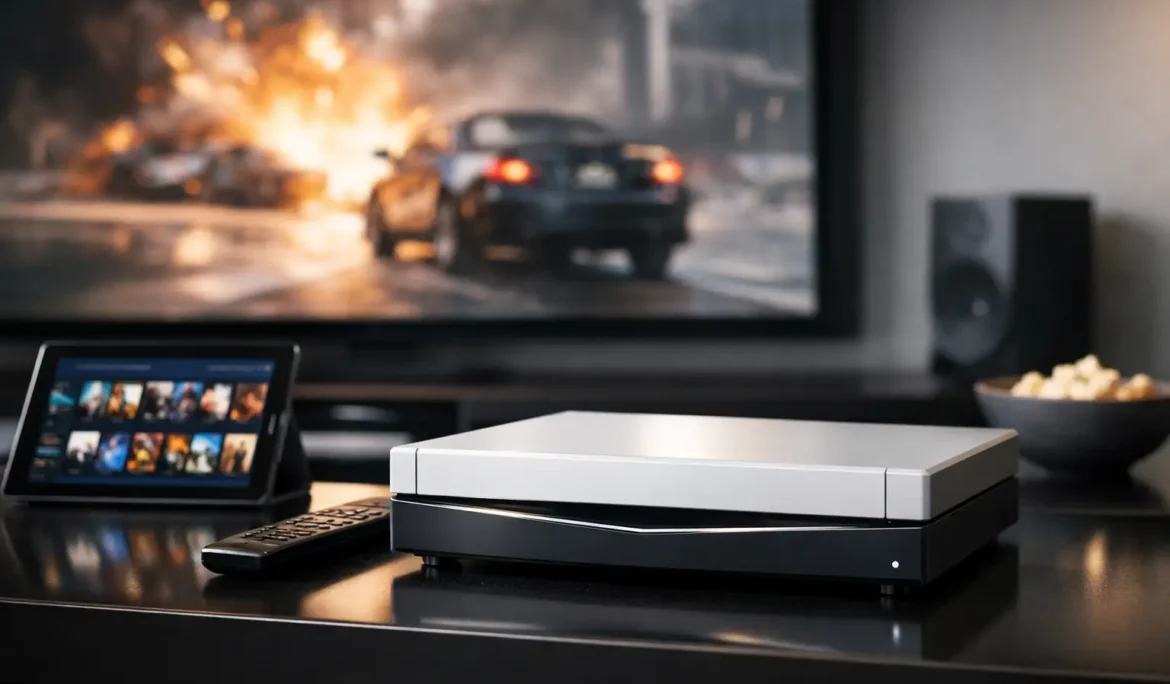
If you have ever sat down in a beautifully designed home theater only to spend the first ten minutes hunting through apps, adjusting inputs, and dealing with buffering, you already understand the appeal behind a Kaleidescape movie system review. This is not just another streaming box dressed up for a luxury room. It is a purpose-built movie platform designed for homeowners who want the content experience to match the quality of the room, the projector, the sound system, and the time they set aside to enjoy it.
What makes a Kaleidescape movie system different
Kaleidescape is built around one idea: premium movie playback without the usual friction. Instead of relying on compressed streams that can fluctuate based on internet traffic, it delivers downloaded movies with very high video and audio quality. That matters when a system includes a large projection screen, a high-performance surround sound package, and careful room design. Equipment at that level reveals every weakness in the source.
In practical terms, Kaleidescape gives you a curated movie library, fast access to content, and playback that feels more like using a private cinema server than a consumer streaming service. The interface is polished, quick, and easy to navigate. For families, that simplicity matters as much as picture quality. A great theater system should not require a cheat sheet.
This is where many homeowners see the real difference. They are not buying one more gadget. They are investing in a viewing experience that removes the daily annoyances common with mainstream platforms.
Kaleidescape movie system review: the experience at home
The best way to judge Kaleidescape is by how it feels in actual use. You select a film, the system starts quickly, and the presentation has a sense of stability and refinement that streaming often lacks. There is no waiting for a title to ramp up in quality, no random app behavior, and no juggling among multiple services to find the version you want.
For dedicated theater rooms, that consistency is a major advantage. A premium projector and surround system can only perform as well as the content source allows. Kaleidescape helps preserve the impact of deep black levels, fine image detail, and lossless multichannel audio. Action scenes sound bigger. Quiet scenes hold more texture. The room simply gets to do its job.
That said, the experience is not only for serious film enthusiasts. Homeowners who value convenience often appreciate it just as much. The visual organization of movie collections is excellent, and the system makes it easy to browse by category, actor, director, or curated recommendation. That turns movie night into something enjoyable before the film even begins.
Picture and sound quality
This is the core reason Kaleidescape gets attention in premium home entertainment projects. The platform is known for delivering reference-level video and audio compared to typical streaming options. If your home theater includes Dolby Atmos or other high-end surround formats, the difference can be meaningful.
Streaming has improved, but it still depends on bandwidth, compression, and changing service conditions. Kaleidescape is designed to avoid those compromises. In a family room with a mid-size TV and a basic soundbar, the gap may not feel dramatic. In a dedicated theater with a large screen and calibrated audio, it usually does.
That trade-off matters. Not every homeowner needs the highest-performance movie source available. But if the room has been thoughtfully designed and the goal is a cinema-quality experience at home, content quality should not be the weak link.
Ease of use matters more than people expect
One of the biggest mistakes in home entertainment is assuming that premium means complicated. In reality, the best systems feel simple because the complexity has been handled behind the scenes. Kaleidescape fits that standard well.
The interface is intuitive, which makes it suitable for households where different family members want to use the system without help. It also integrates well within a broader control environment when part of a professionally designed entertainment system. That means fewer remotes, cleaner operation, and less frustration when moving from watching a movie to controlling audio, lighting, or other room settings.
For homeowners building or upgrading a theater, ease of use should carry as much weight as specification sheets. If a system delivers outstanding performance but feels difficult day to day, it tends to get used less often than expected. A polished user experience keeps the room inviting.
Who Kaleidescape is really for
A balanced kaleidescape movie system review needs to be clear about fit. This platform is not for everyone, and that is fine. It is best for homeowners who care deeply about movie presentation, want a premium private cinema feel, and prefer a dedicated platform over piecing together multiple streaming services and devices.
It also makes sense for people who are already investing in a quality environment. If your project includes a theater room, media room, or a carefully integrated entertainment system, Kaleidescape can become the source component that ties the whole experience together.
On the other hand, if your main goal is casual viewing across a few common apps, a standard streaming setup may be enough. Kaleidescape is more specialized. It rewards homeowners who notice quality differences and want reliability every time they press play.
Where the trade-offs come in
No serious review should pretend there are no trade-offs. Kaleidescape is a premium platform with a specific purpose. It is not trying to replace every kind of entertainment source, and it is not built around the same model as general streaming services.
That means some households may find it more focused than they need. If you watch a broad mix of live TV, sports, random streaming originals, and occasional movies, it may work best as part of a larger system rather than the only source. This is why proper system design matters. The right setup depends on how the room will actually be used.
There is also the question of expectations. Some people hear the brand name and assume the value is only about technical performance. In reality, the value is just as much about reliability, speed, organization, and how cohesive the movie experience feels. Those benefits are substantial, but they matter most to people who want a refined entertainment environment rather than a basic content solution.
Why professional integration makes a difference
A platform like Kaleidescape performs best when it is part of a well-planned system. That does not just mean connecting cables correctly. It means thinking through the room, display, audio performance, control method, networking, and how the homeowner wants to use the space.
This is where a consultative approach matters. For some homes, Kaleidescape belongs in a dedicated theater where every component is selected to support a true cinema experience. In other homes, it may be ideal in a media room that needs high performance without making operation feel technical. The answer depends on the lifestyle, not just the equipment list.
For homeowners in New Jersey and New York who want that kind of guidance, working with a team such as Cine Acoustic can simplify the decision. The goal is not to recommend technology for its own sake. It is to build an entertainment system that performs beautifully and feels effortless to use every day.
Is Kaleidescape worth it?
For the right homeowner, yes. Kaleidescape stands out because it treats movie watching as an experience, not just a file pulled from the internet. It supports the kind of performance that premium home theaters are built to deliver, and it does so in a way that is elegant and approachable.
Still, worth depends on priorities. If convenience alone is the goal, many simpler options exist. If the goal is the best possible movie presentation in a thoughtfully designed room, Kaleidescape becomes much more compelling.
The real question is not whether Kaleidescape is impressive. It is whether your home and your viewing habits are set up to benefit from what it does best. When the answer is yes, movie night starts to feel a lot closer to the reason people build home theaters in the first place.