

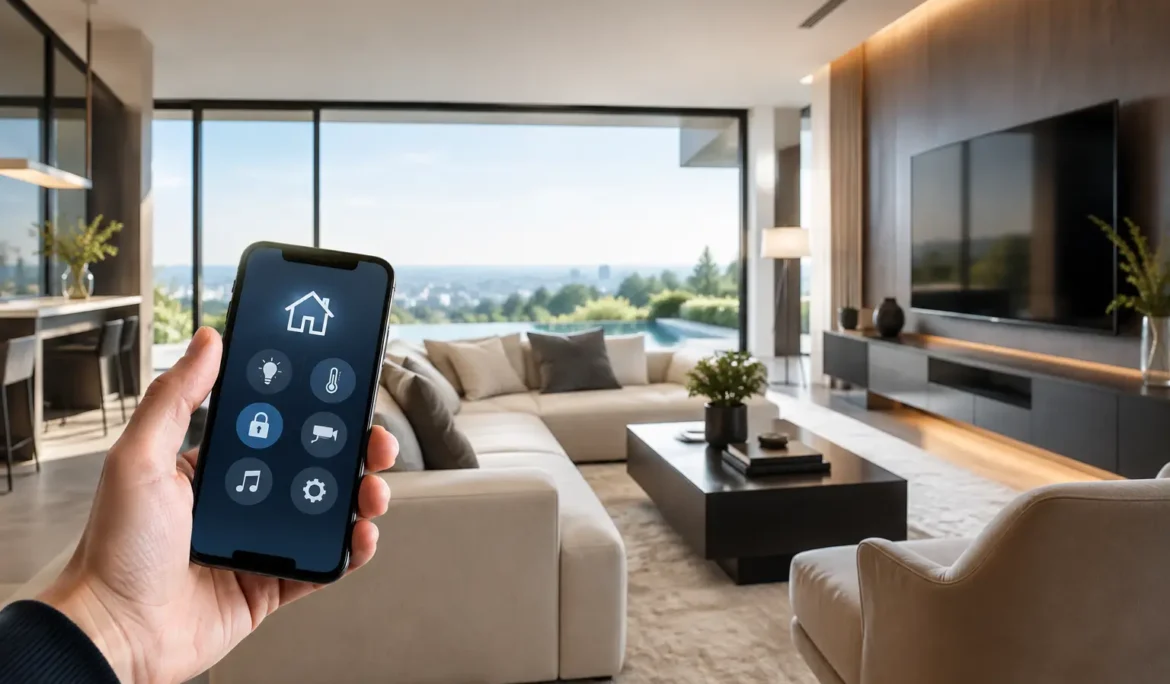
A beautiful home can still feel frustrating when every room has a different app, remote, or control method. The purpose of a luxury smart home integration guide is not to fill your home with more technology. It is to make lighting, entertainment, comfort, security, and networking work together in ways that feel natural to your family.
For a homeowner planning a renovation, new build, or major lifestyle upgrade, the best results begin before walls are closed and finishes are selected. A professionally designed system considers how you move through the home, entertain guests, relax at night, and use each room throughout the year. The technology should be powerful behind the scenes and pleasantly simple at the point of use.
A Luxury Smart Home Integration Guide Starts With Lifestyle
The first question is not which control platform or speaker brand to choose. It is how you want the house to behave.
A family may want lights to welcome them home, shades to lower during the hottest part of the afternoon, and favorite music ready in the kitchen while dinner is prepared. Another homeowner may prioritize a dedicated theater with cinematic picture, immersive surround sound, and a single control that starts the entire experience. For someone who hosts often, indoor and outdoor entertainment may need to operate as one connected environment.
These goals shape the design. They also reveal where automation adds real value and where a simple manual control is better. Luxury is not measured by how many functions are automated. It is measured by whether the home responds reliably without creating another layer of work.
A consultative design process should account for daily routines, room layouts, architectural details, future plans, and the preferences of everyone who will use the system. This prevents a common mistake: installing impressive individual products that never become a cohesive experience.
Build the Foundation Before Selecting Features
A smart home is only as dependable as the infrastructure supporting it. High-performance Wi-Fi and a properly designed wired network are often the least visible parts of an installation, yet they affect nearly everything else. Streaming video, whole-home audio, smart lighting controls, motorized shades, video systems, and control interfaces all depend on a stable connection.
Consumer-grade networking equipment can be sufficient in a small home with modest demands. Larger properties, dense construction materials, outdoor areas, and multiple users require a more intentional approach. Access point placement, hardwired connections, equipment location, and network capacity should be planned around the home rather than added as an afterthought.
Structured wiring deserves the same attention. Running the appropriate cabling during construction or renovation gives you more flexibility for televisions, audio zones, cameras, wireless access points, control keypads, and future upgrades. It also reduces the need to disturb finished walls later.
Equipment should be organized in a dedicated, ventilated location whenever possible. A clean equipment rack makes servicing easier, protects components, and keeps living spaces free of tangled wires and stacked electronics. This is one of the details that separates a polished installation from a collection of devices.
Plan for Reliability and Recovery
Even premium technology occasionally needs an update or restart. The difference is whether that process requires hunting for power cords behind a cabinet or can be handled quickly through a professionally managed system.
A complete plan includes power protection, equipment ventilation, thoughtful cable management, and clearly documented system configuration. Ongoing local support also matters. When a control system, network, or entertainment source needs attention, homeowners benefit from working with an integration team that already understands the system design.
Choose One Consistent Way to Control the Home
The strongest smart home experiences replace confusion with consistency. A homeowner should not need one app for lights, another for shades, a third for music, and a separate collection of remotes for the television.
Platforms such as Control4, Savant, and URC can bring major systems into one familiar interface. Depending on the home, that may include elegant in-wall keypads, handheld remotes, touchscreens, mobile access, and voice control. Each option has a role. A keypad near the entry is often faster than reaching for a phone, while a remote remains the right choice for a theater or media room.
The best control design uses the right interface in the right location. A bedside keypad can turn off selected lights and lower shades without lighting up a screen. A kitchen touchscreen can make it easy to select music or manage common-area lighting. An entry scene can set the home for arrival with one press.
Avoid overcomplicating the experience with dozens of scenes or commands that no one remembers. Start with the moments that occur repeatedly: arriving home, leaving, entertaining, watching a movie, morning routines, and bedtime. Those controls should be intuitive enough for guests and family members to use immediately.
Make Lighting and Shades Part of the Architecture
Lighting control has one of the most immediate effects on how a home looks and feels. It creates useful task lighting for cooking and reading, adds warmth to entertaining spaces, and allows artwork, architectural finishes, and outdoor features to be appreciated after dark.
A well-designed system goes beyond turning lights on and off. Scenes can adjust multiple fixtures to appropriate levels for dinner, a movie, cleanup, or a quiet evening. This creates a more considered environment while keeping wall controls clean and easy to understand.
Motorized shades add another layer of comfort. They can provide privacy, help manage glare on television screens, protect furnishings from strong sunlight, and support more consistent room temperatures. In a media room, shades and lighting can work together to improve the viewing environment. In a bedroom, they can support a gentler morning routine.
There are trade-offs to consider. Battery-powered shades can be a practical option in finished spaces, while wired shades are often preferred during construction for a more permanent installation. Fabric selection, window shape, privacy needs, and design intent all affect the final recommendation. The right answer should complement the room rather than force the room to accommodate the technology.
Design Entertainment Around How You Gather
Premium entertainment is rarely about placing the largest television on a wall. It is about delivering a picture, sound, and control experience that fits the room.
In a dedicated home theater, a projection system or large-format display, Dolby Atmos surround sound, acoustic treatment, and properly placed seating can create an experience that conventional living-room equipment cannot match. Content sources such as Kaleidescape can further elevate movie nights with high-quality playback and a refined browsing experience.
For multipurpose living spaces, the goal may be different. A discreet television, architectural speakers, or a mirror TV can preserve the design of the room while keeping entertainment readily available. The sound system should provide clear dialogue and satisfying performance without overwhelming the space.
Whole-house audio brings another kind of value. Music can follow the family from the kitchen to the patio, or different rooms can play different sources at the same time. Outdoor entertainment deserves the same planning as indoor areas. Speakers, displays, controls, and network coverage need to be selected for the environment, placement, and how the space will actually be used.
Keep the Experience Easy for Everyone
A theater should not require a lesson before every movie. A single button can lower the lights, start the selected source, set the audio system, and prepare the display. Just as important, the system should make it easy to return to normal when the movie is over.
This is where professional programming makes a meaningful difference. The equipment may be premium, but the homeowner experiences the buttons, interfaces, and responses every day. Clear labels and thoughtful automation are not minor finishing details. They are the difference between a system that gets used and one that becomes intimidating.
Coordinate Technology With the Design Team Early
Architects, builders, interior designers, and technology integrators each influence the finished home. When they collaborate early, speakers can be positioned around ceiling details, keypads can align with other wall controls, displays can be incorporated cleanly, and equipment can be housed where it is accessible but unobtrusive.
Waiting until the end of a project often limits options. It can lead to visible wires, compromised speaker placement, insufficient power, inconvenient control locations, or missed opportunities for prewiring. Early coordination protects the visual design while giving the technology team the room to deliver the performance you expect.
For renovations, conditions may be more constrained, but a capable integrator can still identify practical paths forward. The key is setting priorities. You may decide that a dedicated theater and reliable network take precedence now, while prewiring allows additional spaces to be enhanced later.
Treat Service as Part of the System
A luxury smart home should remain easy to live with long after installation day. That means receiving training tailored to your household, having documentation for the system, and knowing who to call when needs change.
Technology is not static. Families add rooms, change entertainment habits, update furnishings, and spend more time in outdoor spaces. A relationship with a local expert team makes it easier to adapt the system without starting from scratch. Cine Acoustic approaches integration as a long-term service commitment, with designs built around the client rather than a one-size-fits-all package.
The most satisfying smart homes do not call attention to their complexity. They create better movie nights, calmer mornings, more inviting gatherings, and rooms that simply feel right when you walk into them. Start with the life you want to enjoy at home, then let the technology support it quietly and reliably.