

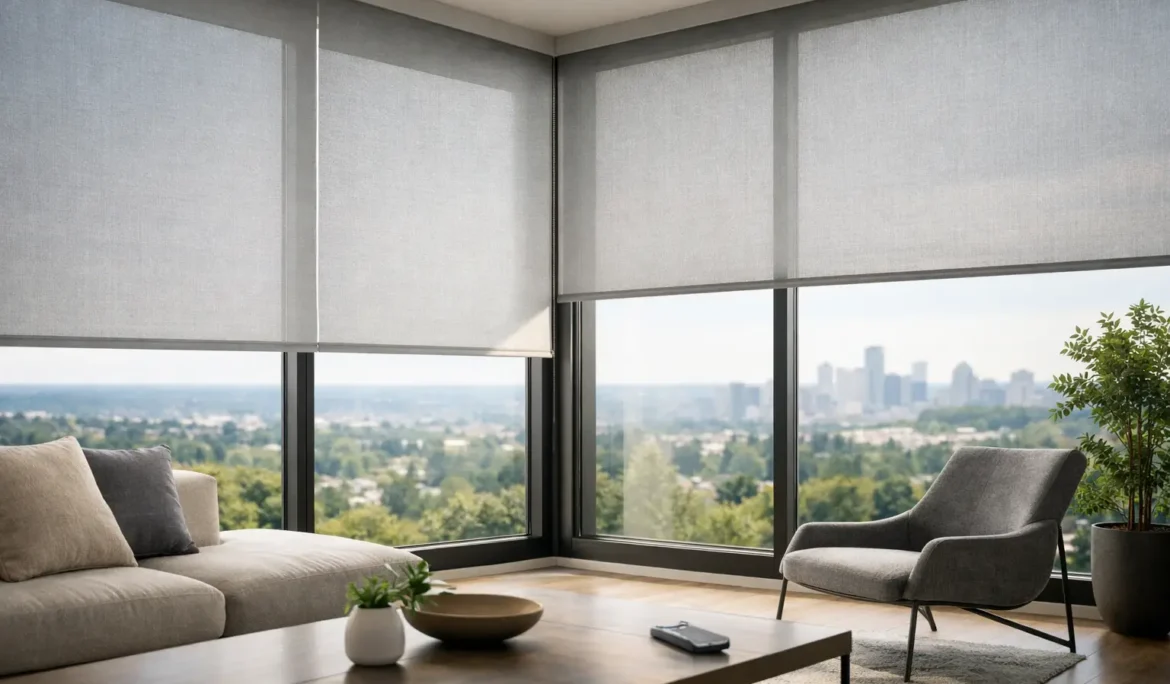
A wall of glass can make a room feel extraordinary – until afternoon sun turns the sofa into the hottest seat in the house, glare washes out the TV, or privacy disappears after dark. Smart shading for large windows gives homeowners a practical way to keep the view while bringing light, comfort, and convenience back under control.
For homes with expansive great-room windows, two-story glass, sliding doors, or a dedicated media space, shades should be considered early in the design process. The right system does more than move fabric up and down. It works with the architecture, the orientation of the home, the lighting plan, and the way your family uses each room.
Why Large Windows Need a Different Shading Plan
Large windows create a few challenges that standard off-the-shelf shades are not designed to solve. Their size increases heat gain, makes glare more pronounced, and can make a room feel exposed at night. A manually operated shade may also be difficult to reach or simply too heavy to use comfortably every day.
Motorized shades address those concerns with consistent, quiet movement and simple control. Instead of walking from window to window, you can adjust an entire wall of shades from a keypad, touch panel, remote, or phone. They can also be set to respond automatically to the time of day, a preferred scene, or the start of a movie.
That convenience matters because shades only provide their full benefit when they are actually used. If closing the shades requires effort, many homeowners tolerate glare and heat longer than they should. Automation makes a comfortable room the default rather than another task on the daily list.
Start With How the Room Is Used
The best smart shading for large windows begins with lifestyle, not a fabric sample. A sun-filled kitchen, a formal living room, and a home theater can all have large windows, but they need very different results.
In a family room, the goal may be to soften daylight while keeping the outdoor view visible. In that case, a solar screen shade can reduce glare and ultraviolet exposure without making the room feel closed off. In a bedroom, privacy and light blocking may take priority, making room-darkening or blackout fabrics a better fit. For a media room, carefully selected shades can help protect picture quality by controlling reflections on a television or projection screen.
It is also worth considering when the room is used. East-facing windows tend to create intense morning light, while west-facing glass can bring uncomfortable heat and glare late in the day. A room with a beautiful wooded view may benefit from translucent shades during daylight hours and a separate privacy layer after sunset.
One Shade Is Not Always Enough
For many large-window installations, dual shades offer the most flexibility. A lighter solar or sheer shade can be used during the day to preserve a connection to the outdoors. A second room-darkening shade can lower in the evening for privacy, better sleep, or a more immersive entertainment experience.
This approach requires more planning because the shade pockets, mounting space, and control system must accommodate two treatments. Still, it can create a far more polished result than asking one fabric to handle every condition. The right choice depends on the room, the window shape, and the level of light control you expect.
Choose Fabric for Performance, Not Just Color
Fabric is one of the most visible decisions in a shading system, but it is also a performance decision. Openness, weave, color, and material all affect how much light enters the room and how clearly you can see outside.
Solar shades are often described by their openness factor. A more open weave generally preserves a clearer view but allows more light through. A tighter weave offers stronger glare control and more daytime privacy, though the view becomes softer. Darker fabrics can improve outward visibility in bright conditions, while lighter fabrics may better reflect heat and blend with a bright interior.
There is no universal best option. A fabric that looks excellent in a north-facing sitting room may not provide enough glare control in a west-facing media room. Reviewing samples against the actual glass at different times of day is more useful than judging them only under showroom lighting.
For large windows, the fabric must also be suitable for the shade size. Wide or tall treatments place more demand on the roller, motor, and mounting hardware. A professional design helps ensure the selected material performs well without creating an oversized, visually heavy installation.
Plan the Details Before Construction Is Finished
The cleanest motorized shade installations are usually planned before drywall and trim are complete. This is especially true for new construction and major renovations, where a recessed pocket can conceal the roller and hardware above the window. When the shade is raised, the treatment nearly disappears into the architecture.
A recessed pocket is not required, but it is worth discussing early. Surface-mounted shades can still look refined, particularly when paired with a well-designed fascia or valance. The key is allowing adequate space for the selected system and avoiding conflicts with window handles, door operation, molding, and adjacent lighting.
Power is another early decision. Hardwired shades are an excellent choice when walls are open, offering a long-term solution without visible cords or periodic battery replacement. Battery-powered options can be ideal for finished spaces where new wiring is impractical. Rechargeable solutions offer another path, but access for charging should be considered when shades are positioned high above the floor.
For especially large or hard-to-reach windows, wiring and motor selection deserve careful attention. A system should be designed for the weight, width, and duty of each shade rather than treating every opening the same.
Make Control Feel Effortless
Smart shades should fit naturally into the way a home is already used. A simple wall keypad near the room entrance may be the preferred option for daily adjustments. A touch panel or app can provide more detailed control, while voice control can be convenient when your hands are full.
The greatest value often comes from scenes. A “Morning” scene might raise kitchen and living-area shades gradually while leaving bedroom shades closed. A “Movie” scene can lower shades, adjust lighting, and prepare the entertainment system with one command. An “Away” setting can provide a lived-in appearance while helping protect interiors from harsh sun.
Automation should be useful, not distracting. A schedule that lowers shades during peak sun can improve comfort, but it should allow easy overrides when you want the windows open for a view or a cloudy day. The goal is a system that anticipates needs without making homeowners feel managed by their own technology.
Coordinate Shades With Lighting and Entertainment
Large windows and lighting control should be planned together. During the day, shades shape natural light. At night, lighting determines how reflective the glass becomes and how comfortable the room feels. Coordinated control can prevent the common problem of brilliant interior lights reflecting in windows while the room outside disappears into darkness.
In entertainment spaces, this coordination becomes even more valuable. Glare can diminish a premium TV’s picture, and uncontrolled daylight can undermine a projector. Smart shades can be programmed to lower when a viewing activity begins, while lighting adjusts to a level that supports the screen without making the space feel dark or unwelcoming.
For homeowners who prefer familiar controls, platforms such as Lutron, Control4, Savant, and URC can bring shades, lighting, entertainment, and other connected systems into one intuitive experience. The right platform depends on what is already in the home and how much integration you want.
Do Not Overlook Privacy, Safety, and Aesthetics
Large glass openings can make a home feel open during the day and exposed at night. Smart shades allow privacy to be part of the evening routine instead of a series of manual adjustments. This is particularly useful for bedrooms, street-facing rooms, and homes with close neighboring properties.
Motorized solutions also remove dangling cords, creating a cleaner appearance and reducing a common concern in homes with children and pets. For design-conscious projects, consistent fabric selection and aligned shade heights help a wall of windows read as one intentional architectural feature rather than a collection of separate coverings.
The visual details matter. Hem bars, side channels, fascia finishes, and the way shades stack when raised can influence the final result. Large windows are prominent by nature, so the shading system should complement the room even when it is not in use.
A Better Result Comes From a Complete Design
Smart shading for large windows is not simply a matter of adding motors to window treatments. It is a system design decision involving glass orientation, fabric performance, power, control, architecture, and daily routines. When those details are addressed together, the result feels quiet, useful, and tailored to the home.
For New Jersey and New York homeowners planning a renovation, new build, or media-room upgrade, Cine Acoustic can help bring those decisions into one coordinated design. The best time to begin is before the finishing details are locked in, when a well-planned shade system can disappear into the room and make every hour spent there more comfortable.