

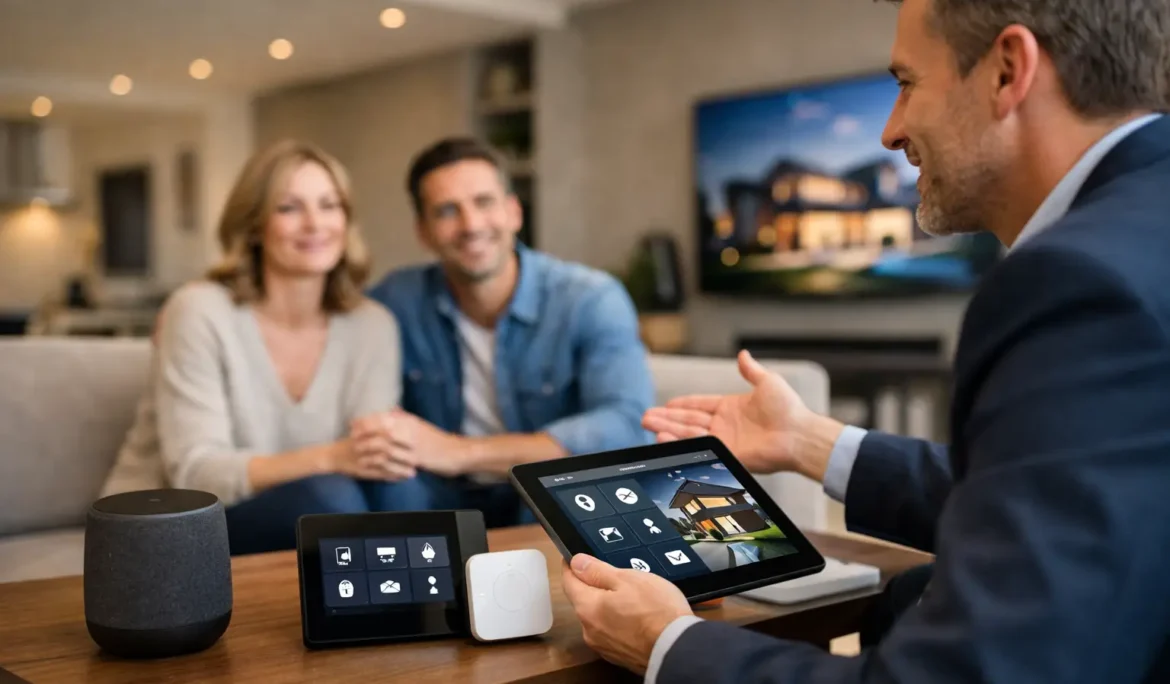
A beautiful media room can be undermined by one weak Wi-Fi signal. A kitchen with carefully selected finishes can feel less functional when lighting, shades, music, and climate controls require separate apps. Why hire a home technology consultant before these details become expensive compromises? Because the best home technology is planned as part of the home, not added piece by piece after decisions have already been made.
For homeowners investing in a renovation, new build, or meaningful upgrade, a consultant brings order to a category that can quickly become confusing. The goal is not to fill a home with gadgets. It is to create an entertainment and control experience that feels dependable, intuitive, and tailored to the way your household actually lives.
Why Hire a Home Technology Consultant Before Installation?
Technology decisions affect more than the equipment itself. They influence where wiring runs, how rooms are laid out, where speakers and displays can be placed, how lighting supports the mood of a space, and whether the network can support every connected device. Once drywall is finished, cabinetry is installed, or furniture is selected, many of the best options become harder to achieve cleanly.
A home technology consultant looks at the complete picture early. That includes your floor plan, your design preferences, how each room will be used, and which experiences matter most to your family. One household may want a dedicated theater with cinematic sound and a simple movie-night interface. Another may care more about music that follows them from the kitchen to the patio, dependable video calls in a home office, and shades that adjust with the afternoon sun.
Those are different priorities, and they deserve different solutions. A consultant helps define them before product choices take over the conversation.
A plan built around real routines
The most useful questions are often practical rather than technical. Where does your family gather? Do you entertain outdoors? Is the home office used for presentations or video meetings? Do you want the television to disappear when it is off, or become part of the room’s design? Would one-button control make evenings easier for everyone in the household?
These answers shape the system. They determine whether a room needs surround sound, distributed audio, motorized shades, lighting scenes, stronger wireless coverage, or a combination of technologies working together. A professional consultant translates lifestyle goals into a clear design that avoids unnecessary complexity.
You Avoid the Fragmented Smart Home Problem
Many homeowners begin with a well-intentioned purchase: a smart speaker, a streaming device, a few bulbs, perhaps a doorbell camera or a new television. Each product may work well on its own. The frustration begins when every device has a separate app, remote, login, update schedule, and method of control.
A connected home should reduce friction, not create more of it. With a thoughtfully designed control platform, the experience can be simplified around the actions you perform every day. Starting a movie can set the right lights, lower the shades, turn on the display, and select the correct source from a single interface. Ending the evening can return the room to a comfortable setting without a series of individual commands.
That does not mean every feature should be automated. Good design respects how people want to live. Some clients prefer schedules and voice control; others want a wall keypad and a handheld remote that anyone can use without instructions. A consultant helps create the right balance between convenience and personal control.
Performance Depends on More Than the Product
Premium equipment can still disappoint when it is selected or installed without regard for the room. A large display may be the wrong fit for the viewing distance. Speakers may be capable of exceptional detail but positioned where sound is blocked, reflected, or uneven. A powerful Wi-Fi router cannot overcome a home with challenging construction, multiple floors, or poorly placed access points.
This is where professional design makes a noticeable difference. The consultant considers sightlines, seating, acoustics, lighting conditions, wall materials, network demands, and equipment locations before recommending a solution. The result is not simply a better specification sheet. It is clearer dialogue in a movie, more consistent coverage in the backyard, and a display that remains enjoyable whether the room is bright or dark.
For a dedicated theater or media room, this planning can be especially valuable. Dolby Atmos sound, high-performance projection, immersive displays, and Kaleidescape movie systems can deliver remarkable experiences, but only when the room is designed to support them. The screen, seating, speaker layout, lighting, and control interface should work as one system.
Design Details Stay Protected
Home technology should support the design of a room, not compete with it. Architects, interior designers, and homeowners often have strong opinions about sightlines, materials, furniture placement, and visual simplicity. Those details deserve respect throughout the technology planning process.
A consultant can coordinate the technology around the room rather than forcing the room to accommodate equipment at the last minute. That may mean concealing speakers where appropriate, locating equipment away from living areas, using motorized shades that complement the window treatment plan, or selecting a mirror TV for a space where a conventional screen would feel out of place.
There are trade-offs. Invisible technology is not always the right answer, and some spaces benefit from speakers or displays that are intentionally visible. The right decision depends on the room’s purpose, acoustic requirements, and design direction. What matters is having someone evaluate those choices before they become permanent.
A Consultant Connects the Right People at the Right Time
Technology work rarely happens in isolation during a construction project. Electricians, builders, designers, architects, millworkers, and other trades may all influence what is possible. Without coordination, wiring paths can be missed, equipment locations can conflict with cabinetry, and necessary power or network provisions can be overlooked.
A technology consultant gives the project team a clear plan to work from. That does not replace the work of other professionals. It helps ensure that technology-related decisions are communicated early enough to be incorporated properly.
This coordination is particularly helpful in New Jersey and New York homes where renovations may involve existing walls, unique layouts, finished basements, outdoor living areas, or older construction details. Planning ahead helps protect the home while making room for the performance and convenience the homeowner expects.
The System Is Easier to Use and Easier to Support
A successful system should make sense on the first day and continue to make sense after months of daily use. That requires more than mounting devices and connecting cables. It requires customization, careful programming, testing, and a straightforward handoff to the people who will use it.
A consultant-led approach accounts for how the system will be controlled in real life. Parents, guests, and family members should not need to understand the technology behind the scenes to watch television, play music, adjust lighting, or begin a movie. The interface should feel familiar and consistent from room to room.
Support also matters after installation. Connected technology changes over time, and a local expert team that understands the original design can provide continuity when your needs evolve. Whether a household adds a new room, updates an entertainment space, or needs help maintaining a dependable network, an established relationship is more valuable than a one-time transaction.
Cine Acoustic approaches each project as a long-term home technology relationship, beginning with a conversation about how you want your home to feel and function.
When a Consultant Makes the Biggest Difference
Professional guidance is especially valuable when several systems need to work together, when walls are open during construction, or when a homeowner wants a polished result without managing multiple vendors. It is also worthwhile for smaller projects with high expectations. A single room can benefit from better audio, thoughtful lighting, reliable control, and a network designed for the devices it will support.
The scale of the project should determine the scope of planning, not whether planning happens at all. A modest family-room upgrade may need a focused consultation. A whole-home renovation may require a detailed technology roadmap. In either case, the objective remains the same: choose technology that fits the home, the people in it, and the way they want to spend their time.
The most satisfying homes do not advertise their technology at every turn. They simply make movie nights more engaging, mornings calmer, entertaining easier, and everyday routines more comfortable. Start with the experience you want to have, then let a qualified home technology consultant design the path to it.