

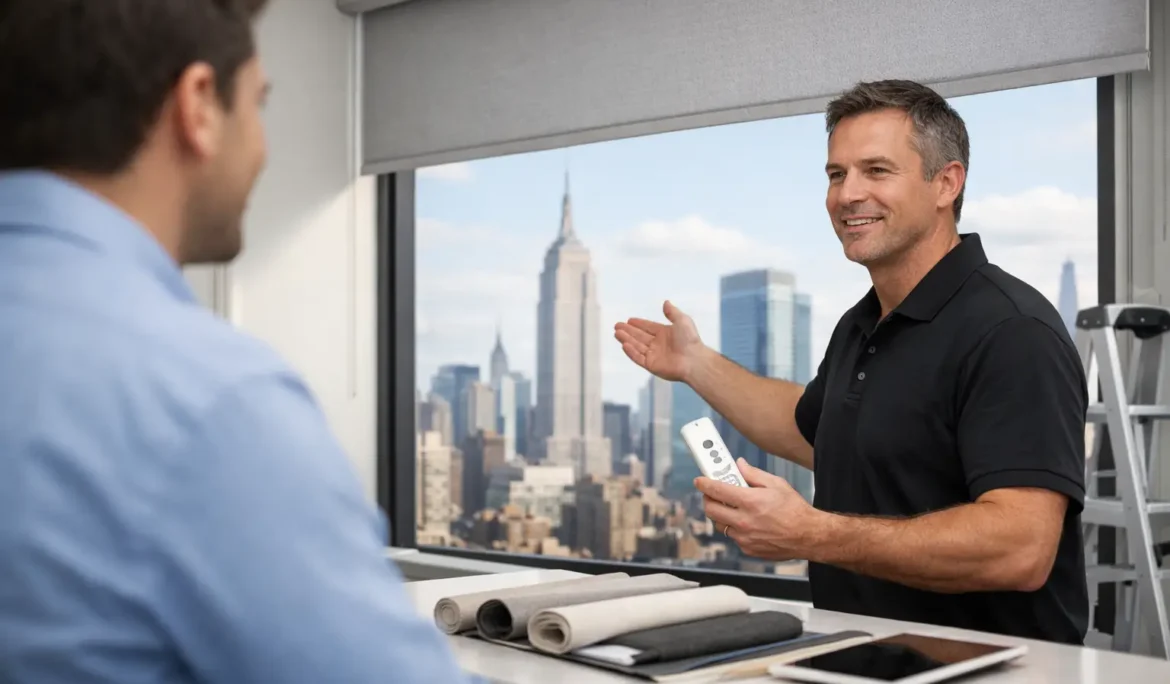
A motorized shade installer New York homeowners choose should do more than mount a shade and hand over a remote. In a city and surrounding suburbs where homes range from historic townhouses to glass-heavy new construction, the right solution depends on architecture, daylight, privacy needs, wiring options, and how the space is actually used. The goal is simple: shades that look intentional, operate reliably, and make daily life more comfortable.
Motorized window treatments are often one of the most visible parts of a smart home. When they are thoughtfully designed, they protect furnishings from harsh sun, improve privacy, reduce glare on televisions, and help each room feel finished. When they are treated as an afterthought, homeowners can end up with distracting light gaps, noisy operation, awkward controls, or shades that do not work well with the rest of the home.
What a Motorized Shade Installer in New York Should Solve
A professional installation begins with questions, not a product catalog. Is the priority blackout performance in a bedroom, glare control in a media room, privacy in a street-facing living space, or solar protection for an open-concept kitchen? The answer affects the fabric, opacity, mounting method, control strategy, and whether a single shade or layered treatment is the better choice.
Window dimensions matter, but so do details that are easy to overlook. Deep window recesses, decorative trim, uneven surfaces, door handles, radiator placement, and furniture clearances can all influence the installation. A qualified installer measures more than the glass. They assess the entire opening and the room around it, so the finished system feels integrated rather than added on.
For many homes, the most useful design is not one that blocks every bit of light all day. A translucent solar fabric can preserve daylight and soften views while limiting glare. A room-darkening fabric may be better for bedrooms, while a dedicated blackout system is often the right choice for a home theater or a room where daytime viewing is important. The best recommendation depends on the space, not a one-size-fits-all rule.
Design Before Installation Prevents Compromises
Motorized shades are easiest to plan during a renovation or new build, when power locations, recessed pockets, trim, and control wiring can be coordinated early. That does not mean existing homes are excluded. Battery-powered and rechargeable options can be excellent for retrofit projects, especially where opening walls is not desirable.
Still, each power approach has trade-offs. Hardwired shades provide a clean, low-maintenance long-term solution and can be especially valuable in large rooms with many windows. Battery-powered shades reduce construction impact and can work beautifully in finished spaces, but they require a plan for periodic charging or battery replacement. A capable installer explains these differences clearly and recommends the approach that fits the home and the homeowner’s expectations.
The shade itself also needs to suit the visual character of the room. Fascia, valances, pockets, exposed hardware, fabric texture, and color all affect the final appearance. Design-conscious homeowners and their interior designers should expect an installer to coordinate these details rather than treating them as separate from performance.
Light Control Is About More Than Darkness
The word “blackout” can create unrealistic expectations if it is not discussed carefully. Even a blackout fabric may allow light around the sides of the shade depending on the mounting method and the window’s trim. Bedrooms and theater spaces may need side channels, a carefully planned overlap, or a combination of shades and drapery to achieve stronger light control.
That level of planning is valuable because it prevents a common disappointment: a beautiful shade that is not quite dark enough for the room’s intended use. An experienced team will set expectations before installation and offer solutions that balance aesthetics with performance.
Controls Should Feel Natural Every Day
The most sophisticated motorized shade system is only successful if everyone in the household can use it comfortably. Wall keypads, handheld remotes, mobile apps, and voice control can all have a place, but the right mix depends on the family and the room. A guest bedroom may need a simple keypad. A great room with many windows may benefit from grouped controls. A media room may call for one button that lowers shades, adjusts lighting, and prepares the space for viewing.
Integration with a home automation platform can make shade control feel effortless without making it complicated. Homeowners can create schedules that raise shades in the morning, lower them during strong afternoon sun, or close them at night for privacy. Scenes can coordinate shades with lighting control, so the room responds to a single command rather than a series of separate actions.
Automation should remain practical. Not every window needs a complex schedule, and not every household wants app-based control for every shade. A consultative installer helps determine where automation brings real convenience and where a straightforward local control is all that is needed.
Reliability Starts With System Planning
Motorized shades depend on more than the motors. Reliable wireless communication, proper power planning, correct mounting, and accurate programming all matter. In a larger home, inconsistent Wi-Fi or poorly planned wireless coverage can affect the experience with connected controls. Addressing these factors as part of the overall technology design helps prevent frustrating behavior later.
This is one reason homeowners often benefit from working with an integration team instead of coordinating separate window treatment, lighting, and smart home vendors on their own. Cine Acoustic approaches these systems as connected parts of the home, with design, installation, customization, and ongoing support handled by a local expert team.
What to Ask Before Selecting an Installer
The conversation with an installer should leave you with confidence, not a longer list of decisions to manage alone. Ask how the team evaluates light gaps, mounting conditions, and fabric performance. Ask whether they can coordinate with your architect, builder, electrician, or interior designer. Ask how controls will work on day one and who will provide support after the project is complete.
It is also wise to ask about the installation sequence. Shades are often installed late in construction, but their requirements need attention much earlier. If a recessed pocket, hidden power, or special trim detail is desired, those decisions cannot wait until the walls and finishes are complete. Early coordination protects the design vision and avoids unnecessary compromises.
For existing homes, the installer should explain what can be accomplished with minimal disruption. A thoughtful assessment may reveal that a clean retrofit is possible without extensive construction. In other situations, limited electrical work may be worthwhile for a more permanent result. The right answer depends on the windows, finishes, and how much control the homeowner wants over the final appearance.
A Better Fit for New York Homes
New York-area homes often present unique combinations of density, sun exposure, privacy concerns, and architectural variation. Street-level rooms may need privacy without losing daylight. High-rise residences may face intense sun and expansive glass. Suburban homes may need coordinated shading across large family rooms, bedrooms, and outdoor-facing doors.
The common requirement is not a particular shade model. It is a tailored plan that respects the home, the people living in it, and the technology already in place. The installer should be able to translate lifestyle goals into a system that is quiet, attractive, and easy to operate long after installation day.
The best time to discuss motorized shades is before window coverings become a last-minute decision. Whether you are renovating a single room or planning a fully connected home, early guidance gives you more options and a result that feels built for the way you live.