

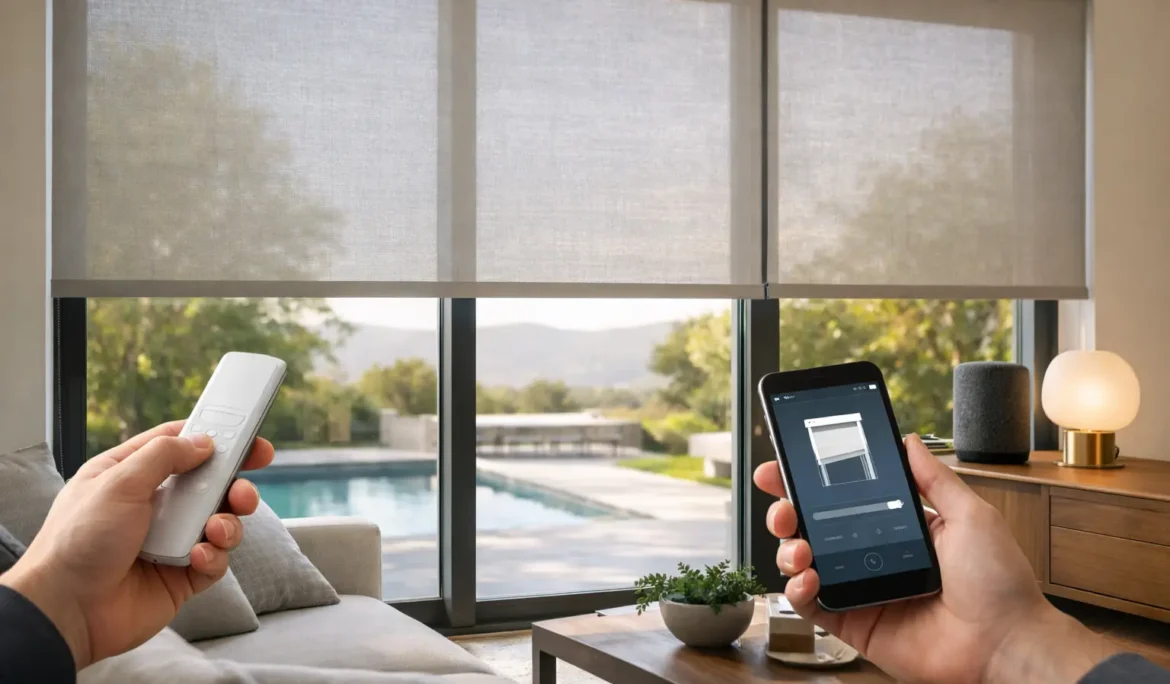
A beautiful room can lose its appeal quickly when glare washes out the television, afternoon sun overheats the seating area, or hard-to-reach windows stay uncovered because adjusting them is inconvenient. This motorized window shades guide is designed to help homeowners make a confident choice: one that improves comfort and privacy while fitting naturally into the way the home is used.
Motorized shades are not simply window coverings with a remote. When designed correctly, they become part of a larger environment. They can lower as a movie begins, open gradually in the morning, protect artwork from harsh sun, and create privacy at the touch of a button. The best system is rarely the one with the longest feature list. It is the one that works reliably, looks right in the room, and feels easy for every member of the household to use.
Motorized Window Shades Guide: Start With How You Live
The first decision is not fabric or control method. It is identifying what each room needs from its shades. A media room may need near-total light control for daytime viewing. A family room may benefit from soft daylight and privacy without closing the room off from the outdoors. In a bedroom, the priority may be a darker sleeping environment and a scheduled morning opening.
Think through the moments that create friction today. Do you avoid using shades on tall windows? Does the sun hit a kitchen island at the same time every afternoon? Are several rooms difficult to manage because each window covering operates separately? These daily patterns are the foundation for a useful design.
For many homes, zones make more sense than treating every shade as an individual device. All shades on one wall might move together, while a large picture window operates independently. A good design considers furniture placement, sightlines, window size, and how natural light changes across the day. This is especially valuable in open-concept homes, where one adjustment can affect several living areas.
Choose the Right Shade Style and Fabric
The fabric determines much of the final result. It affects light, privacy, heat control, and the visual character of the room. A premium motorized system deserves a fabric selection that supports the purpose of the space rather than merely matching a paint color.
Solar screen fabrics preserve outward views while reducing glare and filtering sunlight. They are a strong choice for rooms with large windows, offices, and living spaces where homeowners want daylight without the intensity of direct sun. Openness matters here: a more open weave provides a clearer view, while a tighter weave offers greater sun control and daytime privacy.
Blackout fabrics are better suited to bedrooms, media rooms, and spaces where light control is essential. They can significantly darken a room, although the shade system must also be designed carefully around side gaps if the goal is the deepest possible light reduction. For a home theater or dedicated viewing space, the fabric, mounting approach, and room lighting should be planned together.
Light-filtering fabrics create a softer effect. They diffuse daylight, reduce harsh shadows, and offer a warm, finished appearance. They work particularly well in living rooms, dining rooms, and areas where the goal is comfort rather than complete darkness.
Some windows need more than one function. In those situations, dual shades can combine a solar shade for daytime use with a blackout shade for evening privacy or entertainment. This approach adds flexibility without forcing a compromise between a view and meaningful light control.
Power Options Should Support Long-Term Reliability
Power planning is a key part of a motorized shade project. Battery-powered shades can be appropriate for certain windows, particularly where wiring access is limited or where the system is being added to a completed space. They offer a clean appearance and can be a practical option when used thoughtfully.
However, batteries require periodic attention. In rooms with many shades, on very large windows, or in areas that are used frequently, managing battery maintenance may become less convenient over time. Rechargeable solutions can reduce that burden, but they still require a plan for access and recharging.
Hardwired shades are often the preferred choice for new construction, major renovations, and larger installations. They provide consistent operation without the need for routine battery replacement. They also allow the system to remain discreet, with wiring concealed during construction rather than added after the room is complete.
There is no universal answer. The right choice depends on the window layout, construction conditions, desired level of automation, and how much ongoing maintenance the homeowner wants to manage. Planning power early gives the finished installation a cleaner and more dependable result.
Controls: Keep Everyday Use Simple
A motorized shade system should never make a room harder to operate. Homeowners should be able to use their shades in the way that feels most natural, whether that is a wall keypad, handheld remote, mobile app, voice command, or automated schedule.
Wall keypads are especially useful because they are visible, familiar, and available to guests without requiring an app or explanation. A well-labeled keypad can offer simple commands such as Open, Close, and Stop, along with scene-based options like Morning, Privacy, or Movie Time.
Integration with a smart home control platform adds another layer of convenience. Instead of controlling shades separately, one command can coordinate lighting, entertainment, and window coverings. Pressing a Movie button might lower shades, dim lights, and prepare the room for viewing. An Away setting can close shades for privacy while adjusting other connected systems in the home.
Automation is most helpful when it supports a predictable routine. Scheduled shade movement can reduce glare during peak sun hours, provide privacy at dusk, or help create a more comfortable wake-up routine. At the same time, full automation is not right for every room. Some homeowners prefer straightforward manual control in guest spaces or areas with changing daily use. The goal is not to automate every possible action. It is to make the home more comfortable without creating unnecessary complexity.
Design Details That Make the Installation Feel Finished
The hardware and mounting approach deserve the same attention as the fabric. Shades can be mounted inside the window opening for a clean, tailored appearance or outside the opening to cover a wider area and reduce light gaps. The right decision depends on window depth, trim details, and the desired level of light control.
For a polished look, consider where the shade disappears when it is raised. Fascias, pockets, and recessed details can conceal the roller and create a more architectural finish. These choices are easiest to coordinate during construction or renovation, but experienced planning can also produce attractive solutions in existing homes.
Large or unusually shaped windows need particular care. A shade that is too wide, too heavy, or poorly specified can affect performance and appearance. Professional measurement matters because even small differences in window dimensions, trim, and mounting surface can change the final outcome.
Why Professional Design Matters
A motorized shade project touches several parts of the home: window treatment design, electrical planning, networking, controls, and daily usability. Selecting components separately can lead to mismatched fabrics, inconsistent controls, visible power solutions, or systems that do not work together as expected.
A consultative design process brings those decisions into one coordinated plan. It starts with how the household uses each room, then aligns the fabric, mounting, power, and control experience around that goal. For New Jersey and New York homeowners updating a media room, renovating a primary suite, or building a connected home from the ground up, early coordination can prevent compromises later.
Cine Acoustic approaches motorized window shades as part of the complete home experience, not as an isolated add-on. The objective is a system that complements the room, responds consistently, and remains simple to enjoy long after installation day.
The most rewarding shade systems tend to disappear into daily life. You notice the comfortable room, the protected view, the better movie experience, and the privacy when you want it – not the technology required to make it happen.