

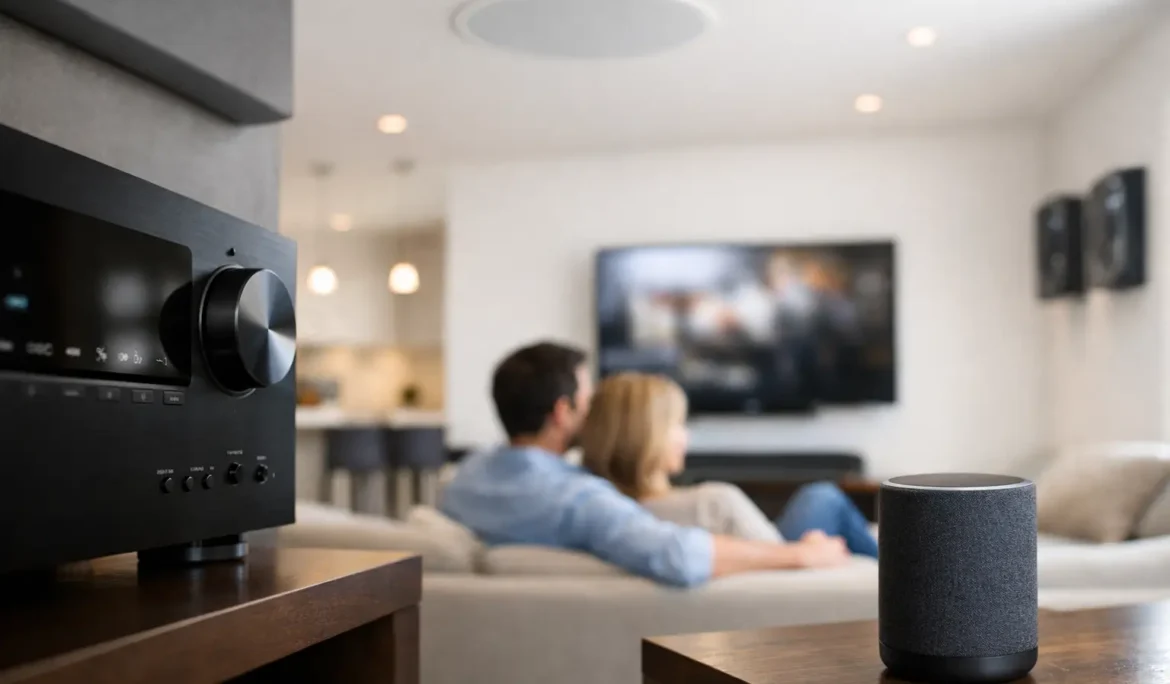
If you have ever walked from the kitchen to the patio and wished your music could follow you without cutting out, changing apps, or juggling speakers, you are asking the right question: what is the best whole house audio system? For most homeowners, the answer is not one product. It is the right combination of sound quality, control, room coverage, and installation design for the way you actually live.
That distinction matters. A whole-house audio system should feel simple every day, not just impressive on install day. The best system lets you play music in one room, group multiple areas together, keep volume levels consistent, and control everything without hunting for remotes or troubleshooting dropouts.
What is the best whole house audio system for most homes?
The best whole house audio system is the one that delivers reliable audio in the right places, is easy for everyone in the home to use, and is designed around your floor plan. In many cases, that means a professionally integrated system with in-ceiling or architectural speakers, centralized amplification where appropriate, strong network support, and a control platform such as Control4, Savant, or URC.
That may sound less exciting than naming a single speaker brand, but it is the honest answer. A great whole-house audio experience depends on more than speakers alone. The platform, wiring plan, Wi-Fi performance, room acoustics, and user interface all affect whether the system feels polished or frustrating.
For a smaller home or a simple retrofit, a wireless multi-room setup may work well. For larger homes, new construction, renovations, or households that want better aesthetics and long-term performance, a custom installed solution is usually the better fit.
Why there is no one-size-fits-all answer
When homeowners ask what is the best whole house audio system, they are often comparing two very different categories. One is consumer-grade wireless audio that is quick to set up and easy to expand. The other is a custom designed system built into the home, often tied into automation, lighting scenes, TVs, and outdoor entertainment areas.
Both can be good. The difference is in consistency, flexibility, and finish.
A wireless speaker system can be appealing because it gets music playing quickly. It may be enough for a condo, a smaller home, or someone who mainly wants background listening in a few rooms. The trade-off is that wireless systems can become limiting when you want cleaner aesthetics, stronger outdoor coverage, more precise zone control, or a single interface that also manages the rest of your home technology.
A professionally integrated system takes more planning, but it typically gives you better speaker placement, stronger coverage, cleaner installation, and a more unified experience. It also tends to work better for families who want press-and-play simplicity rather than a stack of separate apps and devices.
The features that actually determine the best system
Sound quality matters, but it is not the only factor. In real homes, the best whole-house audio system is usually defined by usability first and fidelity second.
The first key factor is zone control. You may want jazz in the dining room, a podcast in the kitchen, and nothing in the bedrooms. Or you may want one tap to fill the entire first floor during a party. The system should make both easy.
The second is reliability. Music should start quickly, stay synchronized from room to room, and avoid the random disconnects that make homeowners give up on using a system altogether. This is where network design becomes critical. Even excellent components can underperform when the home Wi-Fi is weak or poorly planned.
The third is speaker placement and coverage. A beautiful audio system can disappoint if the speakers are in the wrong locations or if certain areas are too loud while others sound thin. Ceiling height, room shape, finishes, and furniture all affect the result.
The fourth is control. The best systems are easy for everyone. That can mean using a phone, a wall keypad, a handheld remote, or a touch panel. In many homes, the right answer is a combination of controls so you are not dependent on one device.
The fifth is aesthetics. Many homeowners want high performance without visible clutter. Architectural speakers, hidden equipment, and thoughtful integration help the system blend into the home rather than compete with the design.
Wireless versus custom installed audio
Wireless multi-room audio is often the starting point because it is familiar. It works well for casual listening and can be a practical solution in spaces where opening walls is not ideal. If your needs are modest, it may be enough.
But there are limits. Wireless speakers still need power, they take up shelf or counter space, and they do not always give the even room coverage that built-in speakers can provide. In larger homes, relying only on wireless products can also lead to inconsistent performance if the network is not ready for that load.
Custom installed systems are better suited to homeowners who want a finished, dependable result. In-ceiling and in-wall speakers free up space and create a cleaner look. Centralized equipment can simplify service and keep electronics out of sight. Integration with a control platform can bring audio, TVs, lighting, and other smart home functions into one easy interface.
That does not mean custom always means complicated. In fact, the goal should be the opposite. A well-designed system makes advanced technology feel effortless.
What the best whole house audio system includes
A strong whole-house audio system usually includes several elements working together.
Speakers are the most visible part of the experience, but they are only one piece. The amplifiers, source devices, network, and control system do just as much to shape daily performance. If the home includes outdoor areas, weather-rated speakers and proper zone design are also essential.
For many homes, the ideal setup includes architectural speakers indoors, dedicated outdoor audio where needed, and a control platform that lets you access streaming services, favorite playlists, and grouped zones from one interface. In homes with a home theater or media room, the audio strategy should also complement those spaces rather than operate as a separate island.
This is where a consultative approach helps. The right design accounts for how your family uses the kitchen in the morning, how often you entertain, whether you want music in bathrooms and hallways, and how you expect the patio or pool area to sound. The best system is not the one with the most parts. It is the one that fits your routines.
Common mistakes homeowners make
One common mistake is choosing based on brand recognition alone. A well-known brand can be part of a great system, but no brand solves bad layout decisions or poor network performance.
Another mistake is underestimating control. If starting music takes too many steps, people stop using the system. A good interface is not a luxury. It is part of the product.
Some homeowners also overbuild in the wrong places and underbuild in the rooms they use most. A formal dining room may not need the same attention as an open kitchen-family room or an outdoor entertaining area. Priorities should reflect lifestyle, not just square footage.
Finally, many people treat audio as separate from the rest of the home. In reality, it works best when considered alongside lighting, shades, TV locations, and networking. Planning these pieces together leads to a cleaner result and a better everyday experience.
How to choose the right system for your home
Start with how you want the system to feel, not just what gear you want to buy. Do you want music in the main living areas only, or throughout the house? Do you want background audio, or do you care deeply about sound quality? Do you want app control only, or do wall keypads matter for convenience?
Then consider the house itself. A brownstone retrofit, a suburban renovation, and a new construction home all create different opportunities. The best design depends on access, architecture, and how much integration you want from day one.
This is also where professional guidance becomes valuable. An experienced technology integrator can match the system to your home, recommend the right control platform, and prevent the hidden issues that often show up after installation. Companies like Cine Acoustic focus on this kind of planning because homeowners do not just need equipment. They need a system that performs well and stays easy to use over time.
The real answer to what is the best whole house audio system
The best whole house audio system is a customized one that sounds excellent, works every time, and fits naturally into your home. For some households, that may be a simple multi-room wireless setup. For others, especially larger homes or renovation projects, it will be a professionally integrated solution with architectural speakers, strong network support, and unified control.
If you are weighing your options, focus less on chasing a single “best” product and more on building the right experience. When the system is designed around your spaces, your routines, and your expectations, great audio stops feeling like technology and starts feeling like part of home.