

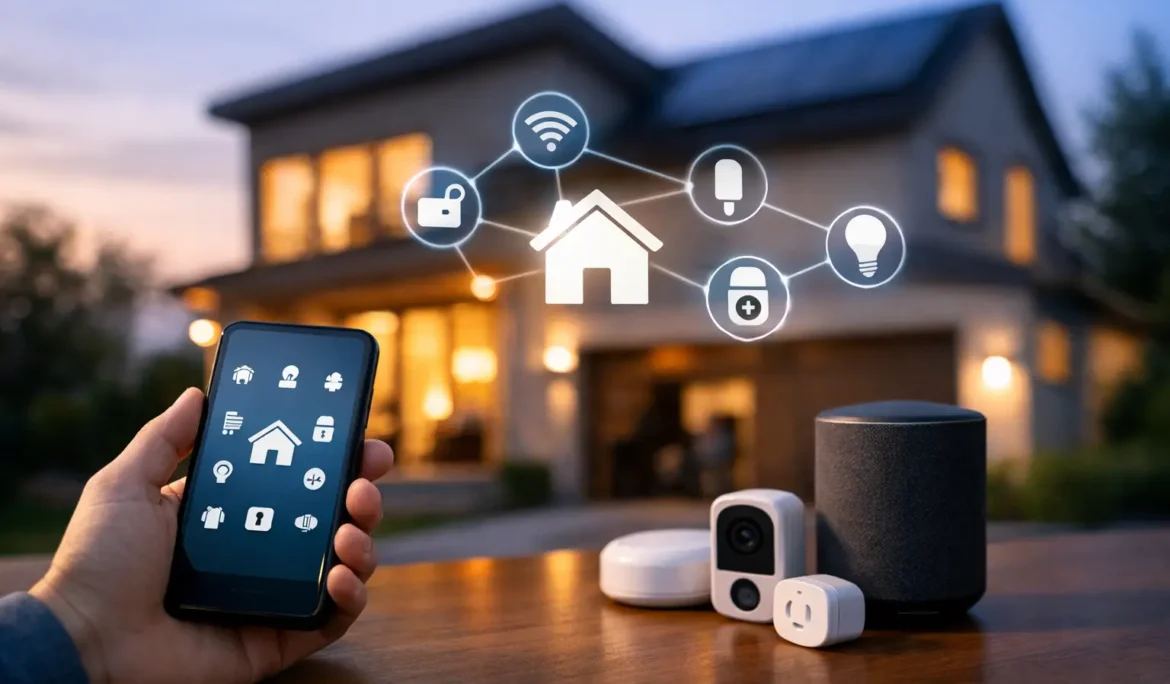
A beautiful kitchen still gets the attention, but more buyers now ask a different question once they walk through the house: How does it live day to day? That is where the question do smart homes increase home value becomes more practical than theoretical. For many homeowners, smart technology can raise appeal and support resale, but only when it improves comfort, reliability, security, and ease of use in a way buyers immediately understand.
The short answer is yes, smart home features can increase home value. The better answer is that some systems help far more than others, and the way they are designed and installed matters just as much as the technology itself. A disconnected pile of gadgets rarely adds much. A thoughtfully integrated home that works consistently can make a property feel more current, more convenient, and better cared for.
Do smart homes increase home value in every case?
Not automatically. Smart home upgrades add value when they solve real homeowner problems and feel intuitive to the next buyer. If a system is hard to use, unreliable, or dependent on a patchwork of apps and hubs, it can create hesitation instead of interest.
That distinction matters. Buyers respond well to technology that supports everyday living without demanding constant attention. Lighting scenes that set the mood for dinner, shades that reduce glare in a media room, strong Wi-Fi throughout the house, and a simple control platform that brings everything together all tend to land better than novelty features that feel experimental.
There is also a difference between perceived value and appraised value. A home may not receive a line-by-line bump on an appraisal for every automated feature, yet it can still attract more interest, stand out in a competitive market, and support a stronger sale because buyers see it as move-in ready and aligned with modern expectations.
The smart features that tend to matter most
Not every upgrade carries the same weight. In most homes, the strongest value comes from features that improve the daily experience in obvious ways.
Reliable networking is one of the most overlooked examples. Buyers may not ask about enterprise-grade Wi-Fi by name, but they notice when a home supports streaming, remote work, security devices, and mobile control without dead zones or dropped connections. A strong network is the foundation of a usable smart home, and without it, everything else feels less convincing.
Lighting control is another feature with broad appeal. It offers convenience, ambiance, energy management, and a polished look that buyers can understand in seconds. When someone taps a keypad and sees layered lighting respond correctly, the home feels elevated. The same goes for motorized shades, especially in rooms with large windows, hard-to-reach treatments, or a strong connection to media, privacy, and comfort.
Integrated entertainment also carries real lifestyle value. Whole-house audio, media rooms, and well-designed home theater spaces do not appeal to every buyer equally, but in the right home they can become memorable differentiators. The key is making these systems easy to use. Buyers are drawn to performance, but they stay confident when the technology feels simple.
Security and access control often rank high as well. Video doorbells, surveillance, smart locks, and integrated alerts can reassure buyers that the home is both current and practical. Again, polish matters. A professionally configured system that works together is far more compelling than several unrelated devices installed over time.
Why integration matters more than gadgets
This is where many homeowners get mixed results. They invest in smart devices over several years, only to end up with five apps, inconsistent performance, and no clear control strategy. Technically, the house is smart. From a resale standpoint, it may feel complicated.
A well-integrated system changes that. Instead of asking a future buyer to inherit a DIY project, it presents the home as intentional and refined. One interface, dependable control, and clean installation all contribute to a better impression. That impression affects how buyers think about maintenance, quality, and the overall standard of the property.
Professional integration also helps protect the visual design of the home. Cluttered wires, mismatched hardware, and visible add-ons can undermine high-end finishes. When technology is carefully planned around architecture, interiors, and lifestyle, it feels like part of the home rather than something attached to it later.
For design-conscious homeowners, that matters a great deal. The best smart home features do not compete with the space. They improve it quietly.
What buyers actually notice during a showing
Most buyers are not evaluating processor speeds or automation protocols. They are paying attention to whether the house feels easier, more comfortable, and more complete than the one they saw before.
A few moments can shape that perception quickly. Entry lighting that turns on gracefully, shades that move in sync, distributed audio that fills the kitchen and family room, and a media space that starts with one touch all create a strong emotional response. Buyers begin to imagine their routine in the house, and that emotional connection can be powerful.
Just as important, they notice what feels confusing. If no one can explain how to control the lights, if tablets are missing, if streaming and audio are unreliable, or if every room seems to require a different app, the technology stops feeling like an asset. It becomes a question mark.
That is why ease of use is not a small detail. It is one of the main drivers of whether smart home features help a sale or quietly hurt it.
When smart upgrades deliver the best return
The homes that benefit most are usually those where buyers already expect a higher level of convenience, entertainment, and finish. In those properties, integrated technology supports the lifestyle the home is trying to offer. It can reinforce luxury, support modern living, and separate the property from comparable listings.
Renovations and new construction are especially good times to think strategically. Planning wiring, controls, networking, lighting, and shading early tends to produce a cleaner result than adding pieces later. It also makes it easier to create a system that feels cohesive instead of reactive.
That said, existing homes can still benefit significantly. The right upgrades do not have to involve turning every function into an automation project. Often, the strongest moves are targeted ones that improve the rooms and routines that matter most, such as main living areas, primary suites, outdoor entertainment spaces, and home offices.
For homeowners in markets like New Jersey and New York, where buyers often value both style and convenience, polished smart home features can carry extra influence. In competitive markets, a house that feels current and easy to live in has an advantage.
Do smart homes increase home value more than traditional upgrades?
Usually, it is not an either-or decision. Smart technology works best when it complements the classic improvements buyers already appreciate. A beautifully renovated kitchen becomes more functional with layered lighting control. A dedicated media room becomes more compelling with professionally integrated audio and video. Expansive windows feel more livable with motorized shades.
Traditional finishes still matter. Layout still matters. Condition still matters. Smart home features are most effective when they strengthen those fundamentals instead of trying to distract from their absence.
That is also why overbuilding can be a concern. Extremely niche automation or overly complicated programming may not translate cleanly to the next buyer. Broad, intuitive benefits usually age better. Comfort, control, security, entertainment, and strong connectivity have staying power because they address how people actually use a home.
How to make smart technology a resale advantage
If resale is part of your thinking, start by asking a simple question: Will the next owner immediately understand the benefit? If the answer is yes, you are on the right track.
Focus on systems that improve everyday living and can be demonstrated easily. Prioritize reliability over novelty. Choose solutions that fit the architecture and interior design of the home. And make sure the technology is unified enough that it feels like a feature of the property, not a collection of owner preferences.
Working with an experienced integration partner can make a substantial difference here. A professional team can help align technology choices with how the home is used today while also considering how those choices may be perceived later. That is especially valuable for homeowners who want premium performance without unnecessary complexity.
At its best, a smart home does not try too hard to impress. It simply makes the house feel better the moment someone walks in – more comfortable, more capable, and easier to imagine as their own. That is where added value often begins.